Legendary ‘80s nightclub Blitz left a cultural imprint still felt today. This Autumn, the Design Museum is honouring it with a major exhibition, unveiling previously unseen ephemera from the scene. Blitz Kid Princess Julia and curator Danielle Thom break down its enduring influence.
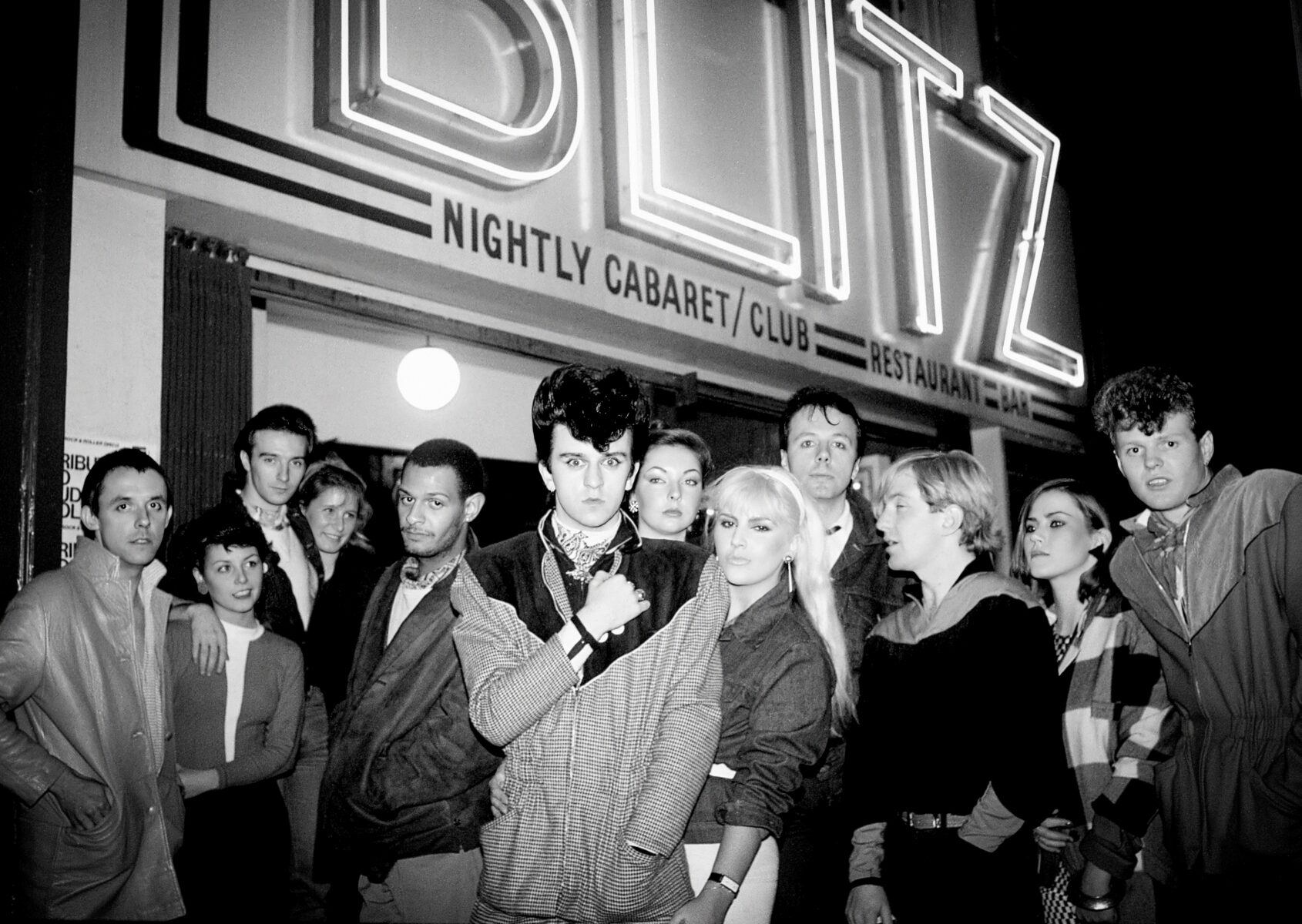
What happens when a nightclub is so mega it leaves behind not just hazy memories and a hangover, but a cultural legacy still pulsing more than 40 years after it closed? In the case of Blitz – which fizzed through London for just 18 months between 1979 and 1981 – it’s being immortalised in a major Design Museum exhibition, Blitz: The Club That Shaped the ’80s.
On Tuesday evenings, a Covent Garden-based wine bar called Blitz was London’s coolest nightclub, with a night co-hosted by Steve Strange and Rusty Egan, who were both members of the band Visage. Sade was a regular, Boy George worked the cloakroom, and Spandau Ballet played their first gig in the vibey central London spot.
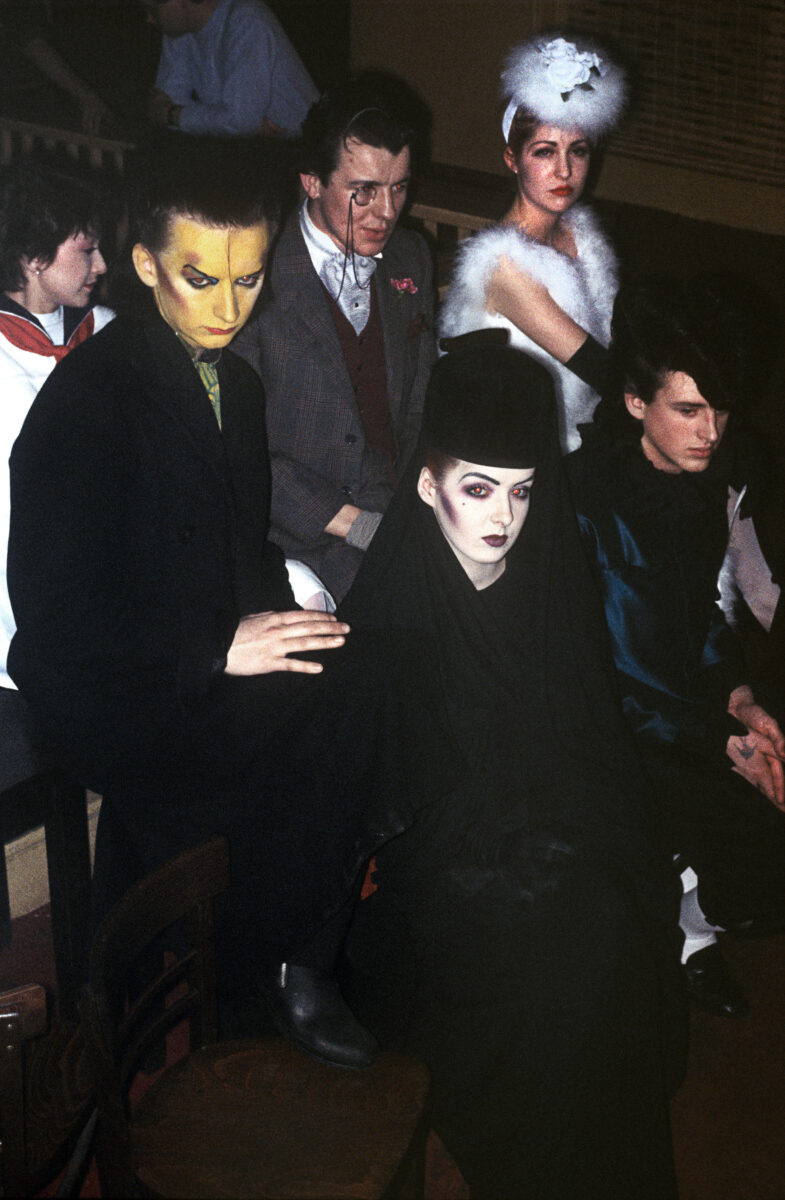
These were kids who wanted something different to punk’s shouty nihilism, but were inspired by its DIY attitude and intent on carving out a space for themselves. “It was kind of like a melting pot of different scenes that were coming together,” says OG Blitz Kid and DJ Princess Julia, whose coronation came from clubs, rather than the Archbishop of Canterbury. To this day she’s involved in the fashion industry and prominent on the club circuit. She speaks calmly, without inflating her tales of the time. It’s the kind of laid-back approach that comes with being so involved with the era. At one point she lived with Strange and had a stint running the coat check. She was there, and she lived and breathed it. “Everyone that went to the Blitz had a very individual look, and you could wear anything really. There was no dress code, but Steve Strange did like people to make an effort. And if you were hot and sexy, you could probably get in too,” she says.
But to understand how Blitz turbo-charged club culture into the next decade and beyond, you need to understand the London of the time. Blitz kicked off before Covent Garden was teeming with tourists and normies. The club’s stylish regulars lived in squats around Warren Street and Fitzrovia. Many studied art, fashion, and film at colleges like Central Saint Martins, and they wanted to do something different.
Outside the clubs, Britain was shifting too. “May ’79 is when Margaret Thatcher gets elected,” says the exhibition’s curator, Danielle Thom. “They’re coming of age at this moment of huge political shift into the dawn of what would become Thatcherite Britain throughout the 1980s; they’ve benefited in many ways from what has come before – the kind of post-war Labour consensus, free university education.”
At Blitz, says Julia, “there was a real time of incubation.” This was the night where the big names of the next decade practiced and perfected heavy make-up looks, and went to town on their gender-blurring, avant-garde outfits. This electronica-loving lot had hair that defied physics, and pulled inspiration from period costumes and glam rock. It was loud, unique, and generally a bit of a vibe. And inside the club was a haven – a space for people to be 100 per cent themselves.
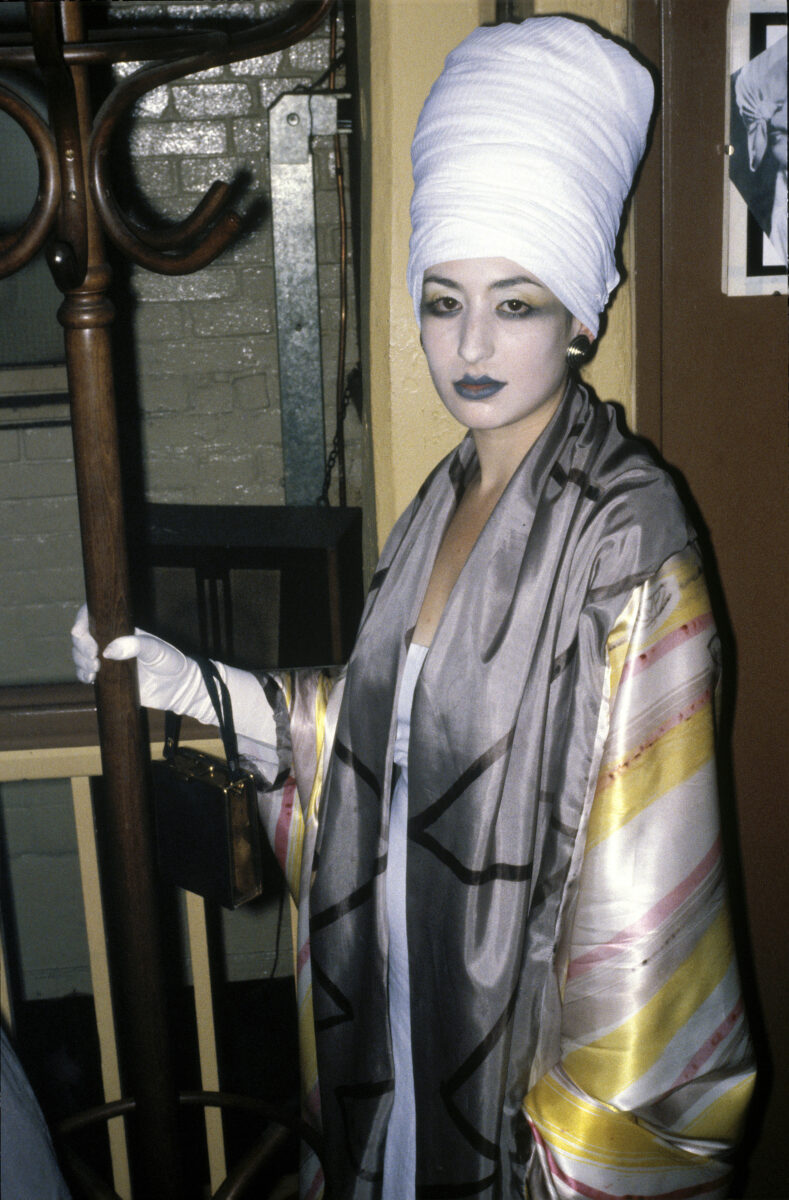
“Blitz actually became known as a sort of catalyst for creative people to meet. But it wasn’t a conscious thing. It was just that the people that were attracted to going there were setting up their creative lives,” says Princess Julia. “It was a sort of continuum of punk, in a way – of the idea that you could do it yourself, and that was good. You had to sort of get out there and make things happen. So subconsciously, it set a platform for the ’80s to happen.”
So why is the Design Museum commemorating the club in 2025? “Enough time has elapsed that this moment is starting to feel historic. We can look back and begin to analyse with the benefit of hindsight. But it’s not so far in the past that it fails to resonate with people today,” says Thom. “It’s well within living memory, so I feel like just the right amount of time has passed to keep it relevant but still novel and surprising for a lot of people.”
The surprises came thick and fast in Blitz’s heyday. Strange’s dramatic outfit reveals were a highlight, as was an Easter show by the Neo Naturists, the performance art collective formed in the ’80s. Ask the core Blitz Kids and they might mention the night David Bowie dropped by in 1980. “That caused quite a commotion, but we were all quite busy trying to be cool, so I think he felt quite at home,” says Julia. Bowie was scouting for cast members for his “Ashes to Ashes” video – the exhibition even includes an outfit worn by Blitz Kid Darla Jane Gilroy in it.
The show began life after OG Blitz Kid and Spandau Ballet manager Steve Dagger pitched the idea to the Design Museum. From there, the curators tapped into a web of connections to build a delicate picture of the scene’s legacy. “As with any kind of moment of this sort, there are as many versions of the story as there are people telling the story,” says Thom. “Some people want to over-inflate their role, other people actually underplay how important they were. So by casting a net as wide as we could, speaking to as many people as possible, and trying to gather in a lot of different lived experiences, [we] built up quite a nuanced picture.”
The result: 250 pieces – clothes, accessories, design sketches, instruments, flyers, magazines, photographs, and rare film footage – most of it unseen for over 40 years, pulled from the personal archives of the Blitz crowd. “The clothes have got wine stains and cigarette burns on them. The flyers are crumpled, but they’re real and they’re authentic,” says Thom. “By keeping that very tactile, very analogue element at the forefront of people’s minds, I think that is going to go a long way to really conveying an authentic sense of time and place.”
If Blitz existed now, Julia imagines Steve Strange holding court alongside Trans+ Pride co-founder and Inferno rave mastermind Lewis G. Burton, UK Black Pride co-founder and CEO Phyll Opoku-Gyimah, and make-up legend Pat McGrath.
Her take on why you should see the show? The club left a legacy of being able to express yourself in whatever way you want to. “There’s something in humans that wants to express themselves via the way they look and dress. That is part of the human condition,” she says. “And if you want to express yourself in an individual fashion or style or look or whatever, that’s okay. You should be free to express yourself sexually, politically, in a good way – there are kind of no rules. There’s a sense of freedom that I feel this show will hopefully highlight.”
Blitz: The Club That Shaped the ’80s will run from 20 September 2025 – 29 March 2026 at the Design Museum in London.
Words – Ollie Cox


