R&B force Kehlani has always spoken from the heart. After 15 years of hustle and now a two-time Grammy winner, she’s done justifying herself in public. Her new album speaks for itself. So stop asking questions and listen – she’s about to have you “Folded”.

Kehlani is a winner, baby. The South Berkeley-born singer and I are speaking four days before she goes on to win her first two Grammy Awards – Best R&B Performance and Best R&B Song – both for her hit song “Folded”. Today, though, Kehlani is at home in Los Angeles for our Zoom, looking cosy as she lies on her olive sofa, decked out with earth-toned cushions. Her skin is glowing, her brows are snatched, and her long black hair is effortlessly tousled. Her aura is zen, but she’s equally a hoot – she makes me chuckle more than a few times during our chat.
She’s just returned from her first trip to Mumbai, where she performed at Lollapalooza India. Kehlani shut it down on that stage: mic on, choreography nasty, crowd word-perfect. A beautiful reminder of music’s power to unite us globally.
Once you hear those opening strings, you know it’s time to go pick up your clothes. “Folded” has all the ingredients of a classic R&B record: evocative, layered storytelling of a relationship in distress, runs for days that only a powerful vocalist could pull off, and a chorus that dares the listener to even attempt those notes.
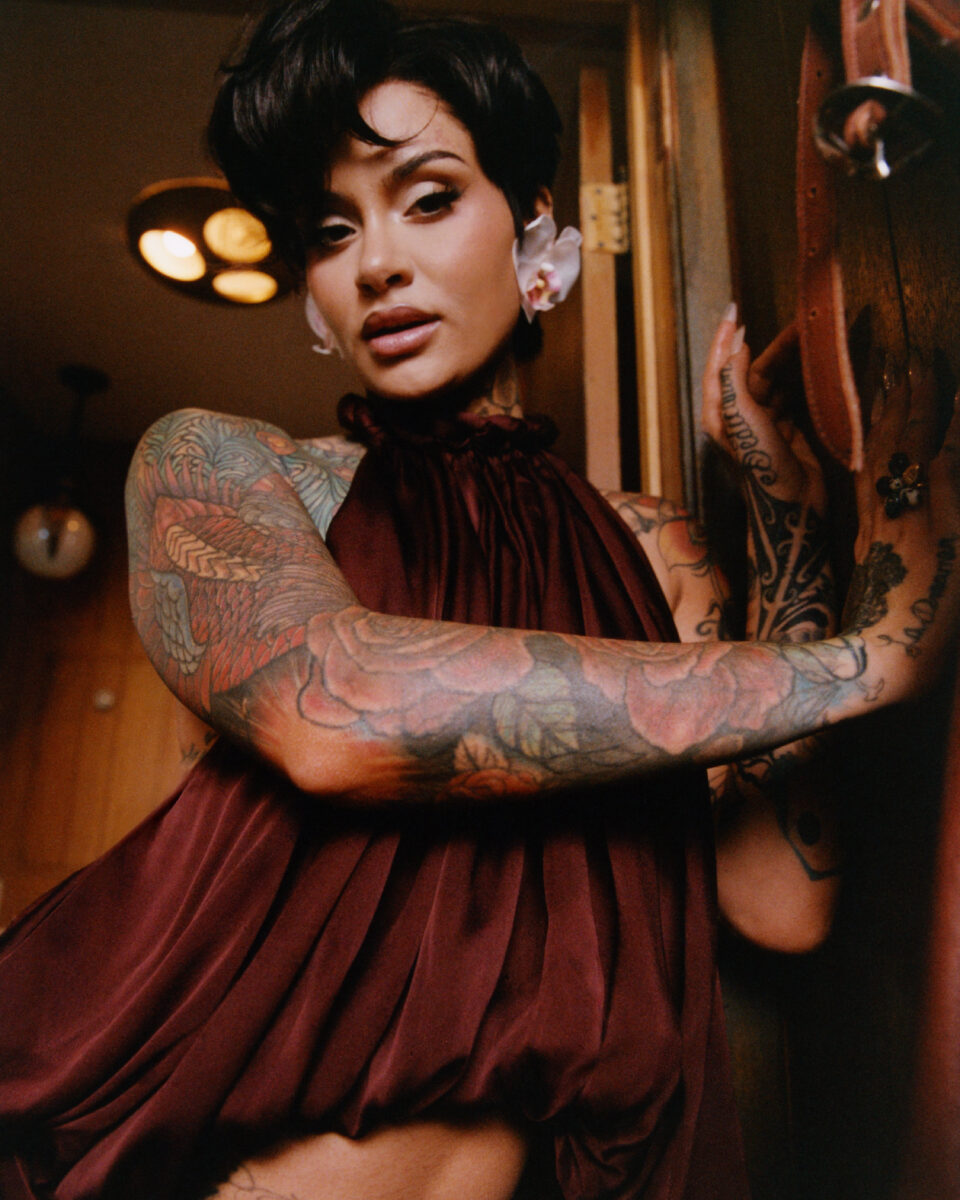
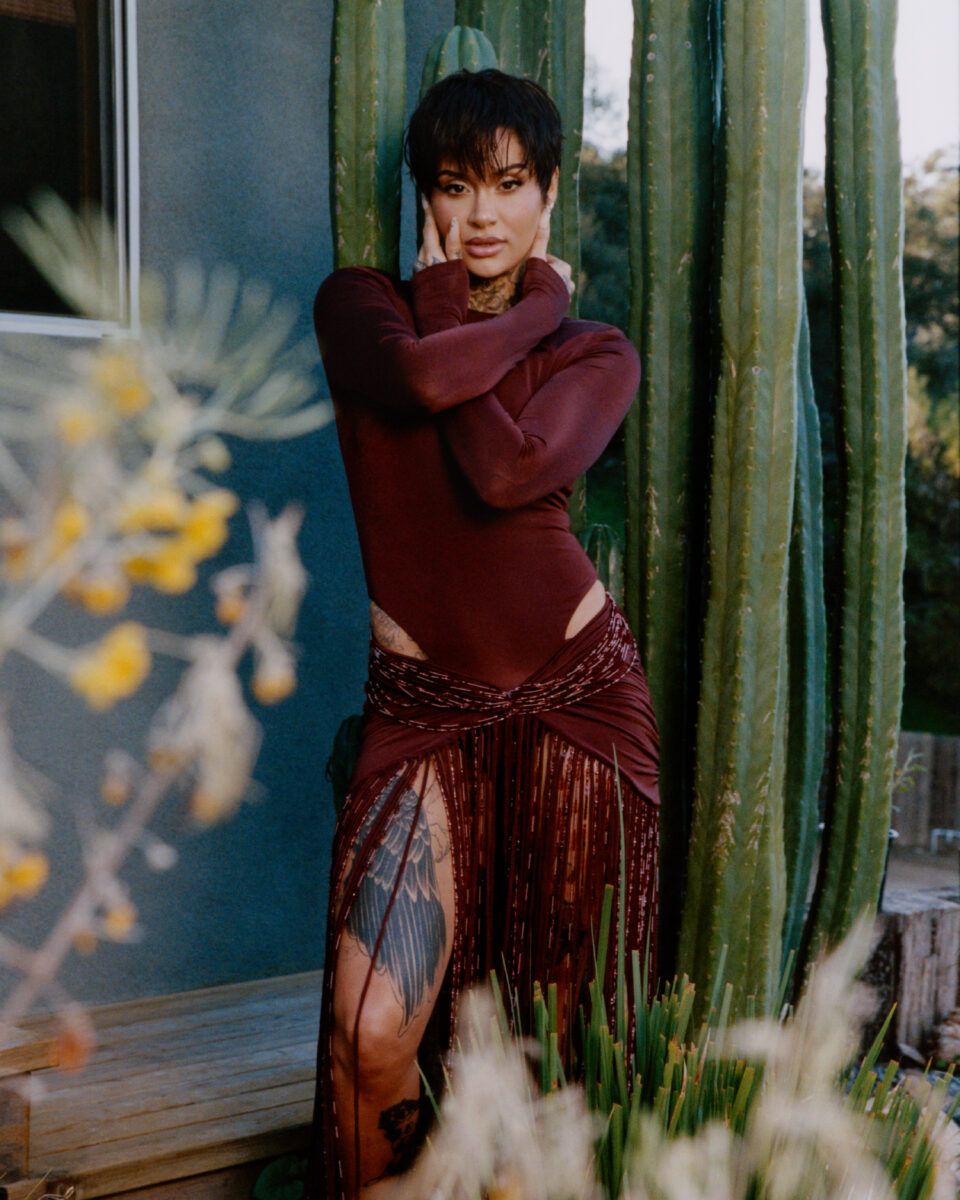
Kehlani herself couldn’t have predicted the magnitude of the record. “Honestly, it feels like [the film] Inception,” she says of the response. “There were songs I feel like I really put my foot into – “Folded” for sure – but there was nothing about the creative process that made me logicise, ‘Oh, this is the song that’s going to do it for everyone.’ I’ve gone in with so much intention before, thinking, this is it, and it wasn’t. So for this to have been such an easy process – I made a song with my friends and thought, ‘Maybe I’ll tease it, maybe I’ll put it out’ – and now it’s doing its thing, felt indicative of something bigger happening in my life right now. It’s changing everything in a positive way. When I think about the success of the song, I see it as part of something larger in my personal legend.”
Inspiring TikTok challenges that invite “medium singers” to the table, and embraced by R&B fans longing for a return to the genre’s roots, “Folded” became Kehlani’s first Billboard Hot 100 Top 10, peaking at number six, and her first-ever US R&B/Hip-Hop number one. The past year for the 30-year-old singer has felt kismet; the seeds she’s been planting are now in full bloom.
Her fifth studio album – and ninth project overall – is slated for release at the end of March. In the meantime, she’s intentionally focusing on her wellness, getting rest in rare pockets of time between final touches, incoming features, and the mastering process.
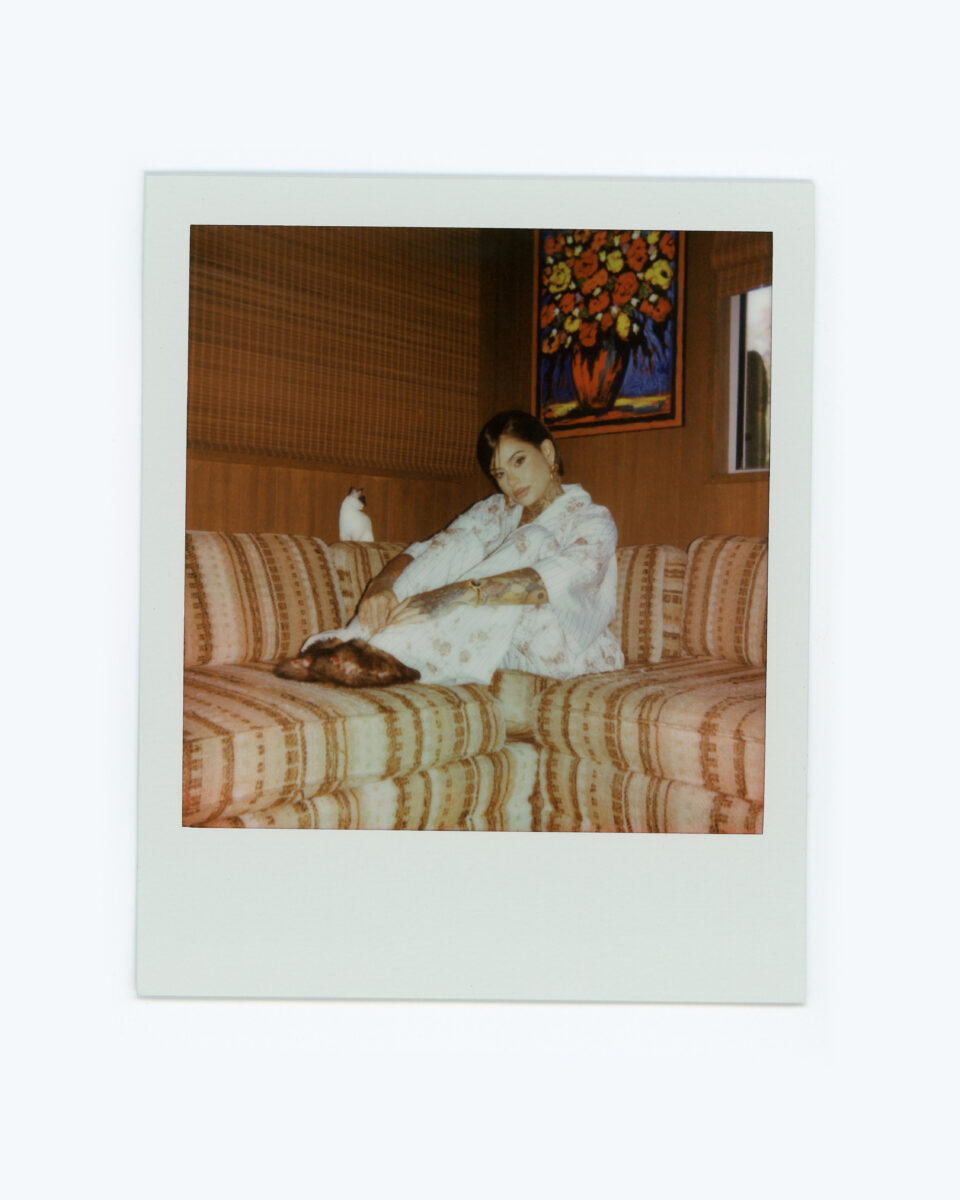
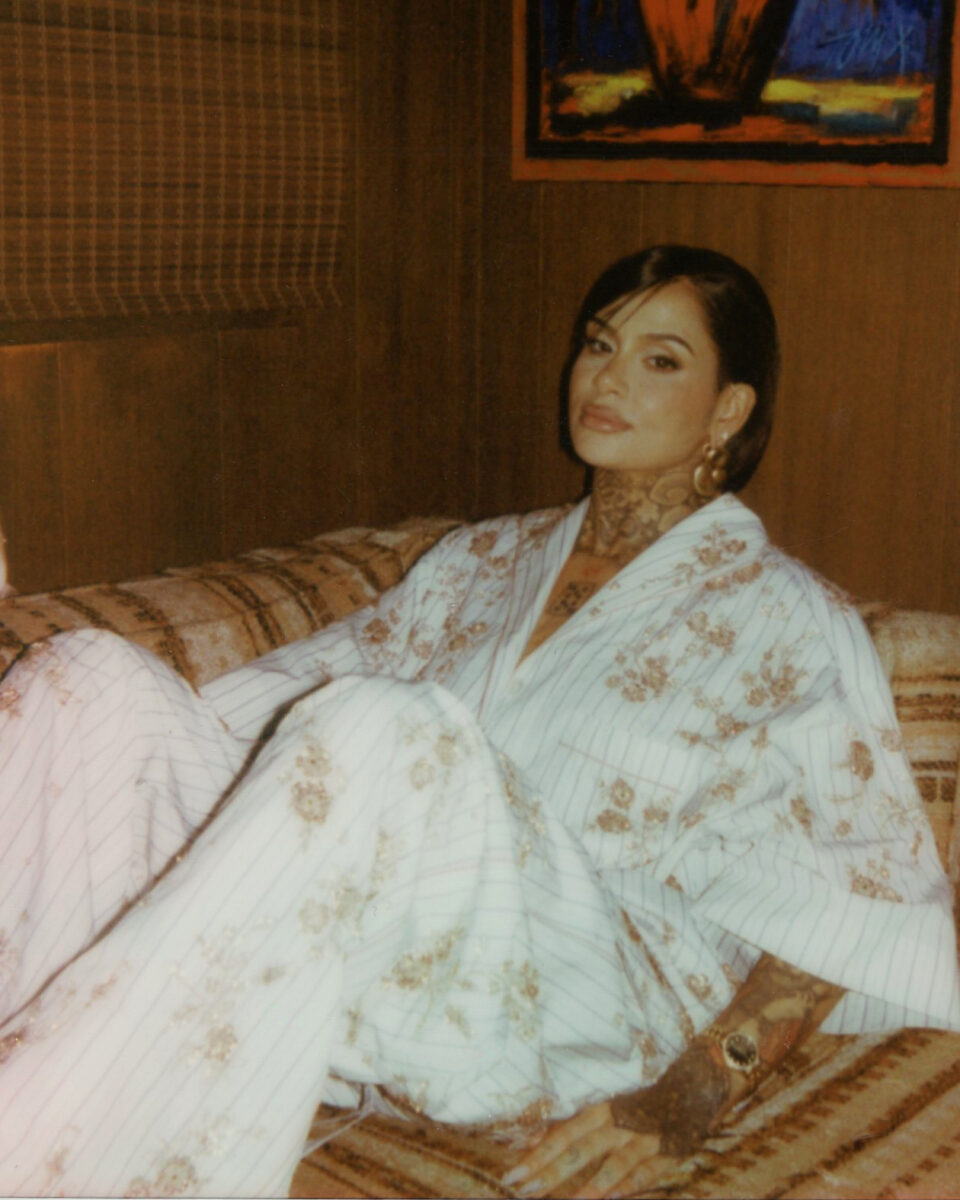
It was in 2011 that Kehlani, then a junior in high school, appeared on America’s Got Talent with her cover band PopLyfe. The band recruited her when she was 14, during a period when she was shifting her focus from dance to singing after a knee injury. At the Seattle auditions, a 16-year-old, baby-faced Kehlani – crimson cut tucked beneath a white beanie, flannel shirt on – wowed the judges with her crystal-clear tone as she sang Travis McCoy featuring Bruno Mars’ “Billionaire”.
Judge Piers Morgan suggested that Kehlani was the star and didn’t need the band, but she swiftly pushed back, explaining they had chosen to perform acoustically on purpose – just a taste – and assuring him that once they went electric, he would change his mind. A true Taurus, loyal to the end, Kehlani said, “I don’t go without my brothers.” The band made it to the semi-finals, ultimately placing fourth, and even performed “Higher Ground” with Stevie Wonder. When I tell her it’s been 15 years since her time on the show, she looks visibly spooked by how quickly time has flown.
The period after America’s Got Talent wasn’t smooth sailing. The band broke up due to unfortunate business circumstances, and there was a period of sofa-surfing – but the fire in Kehlani’s spirit only grew bolder. At 19, she released her debut mixtape “Cloud 19”, and the industry began to wake up to her star power.
Kehlani’s second mixtape, 2015’s “You Should Be Here” – her first commercial mixtape and first project under Atlantic Records – was widely lauded, earning her a Best Urban Contemporary Album nomination at the 58th Annual Grammy Awards in 2016. Early on, she set the tone: vulnerability and honesty were her superpowers. On the mixtape’s intro, she tells us, “I’ve seen things and felt more pain than some will in their entire lives, all before the age of even being able to buy a fucking drink at a bar.” With ease, she could move from singing about a partner who is physically present but emotionally hollow on the title track, to the smooth Chance the Rapper–assisted single “The Way”, which later achieved Platinum status.
Kehlani spent her twenties grinding, releasing four albums and three mixtapes that cemented her as one of R&B’s most promising young talents, distinguishing herself with resounding swag and emotional intelligence. From the jump, her songwriting stood out because she goes there – equally vocal about love when it’s blissful and tender, and when trust erodes and turns toxic, leaving nothing but disappointment, rancour, and a migraine. It’s not all heartbreak, though. The singer-songwriter also has a knack for writing bops that are s-e-x-y, from the declarative “What A Girl Wants” to the entendre-laced “8”.
Discernment, she notes, is the greatest lesson she learned during this decade. “Discernment, all around: people, places, things, opportunities. Discerning what it feels like when you’re being healthy, discerning what it feels like when you’re not, not letting anything cloud your relationship with God. Discerning my own behaviour – whatever is solely in my control – and making that my responsibility. I think I learn everything as a crash course, and it’s on display for the world, so I’m always learning this double lesson: the super personal one, and the lesson that comes with the intense magnifying glass of my career and so-called celebrity. So I’m always getting the double ass-whoop. I’m used to it at this point,” she guffaws.

This insight has become crucial in this era of Kehlani’s career, where opportunity is opening up like never before. Throughout her journey, she has been steadfast in showing love to her inspirations – whether that’s rallying people to ensure Jazmine Sullivan’s legacy is properly discussed, or taking a moment to remind the world of neo-soul singer India.Arie’s often-overlooked impact.
2025, however, was filled with full-circle moments, as Kehlani found herself working with the pioneers who shaped her artistry. Mariah Carey’s “Hero” was the first song she ever learned to sing, so when an invite came from the Songbird Supreme herself to feature on “Sugar Sweet” – alongside dancehall star Shenseea – for Carey’s sixteenth studio album Here For It All, Kehlani was understandably shook.
Kehlani’s eyes twinkle when asked about Mariah. “My queen,” she exclaims sweetly. “I think the main thing I learned from her is how much care she still puts into everything. Down to the colours matching a certain way, to how the fan had to hit the hair just right – everything was so on point. [Watching her film content] reminded me that she’s such a seasoned, thorough professional. She’s been doing this for ages, and that’s the standard I hold myself to. Seeing that in real life was an honour. I really had to gush and tell her she’s my favourite.”
There is something magnetic about “Folded” and the way it brings people in. The song opened a portal for some of Kehlani’s GOATs to return the love on the “Folded Homage Package” EP, released last October, featuring remixes from R&B titans Toni Braxton, Brandy, JoJo, Mario, Ne-Yo, and Tank.
“It was really natural,” Kehlani tells me of the EP’s inception. “I woke up one day and Mario was like, ‘I love this song, and I’m gonna drop a remix.’ I was like, what?! When I think of my age group’s R&B world, we didn’t just have the grace of the ‘90s – we also had that teen, young-adult R&B era. We had Mario, Omarion, and JoJo. These were our teen Avengers. That generation showed me I could do it young.”
From Mario came a call from Brandy’s team. She wanted not only to remix the song, but to perform it on tour. A pinch-me moment for Kehlani. From there, everything began to fall into place. “I’d just done some sessions with Ne-Yo, and it was really important for me to include him,” she shares. “He’s such a key player in R&B history, both as an artist and a writer. JoJo, of course – that’s my dawg. She showed me that there are new generations coming. It was the first time I felt truly embraced by people I look up to, so that was really cool.”
Which brings us to Kehlani’s upcoming era. If her 2024 album Crash tapped into a ‘What happens in Vegas stays in Vegas’ spirit – sparing no limits in genre exploration – then this new project is the classic R&B record that’s long lived within her.
Raised in Oakland, Kehlani was sonically shaped by the Bay Area’s rich and eclectic music history. She jokes that you’d think her family was from Philadelphia, given the amount of neo-soul she was raised on. The late D’Wayne Wiggins of Tony! Toni! Toné! – who worked with everyone from Alicia Keys to Destiny’s Child – acted as a mentor during her formative years. R&B runs deep in Kehlani’s veins; she is not only a devoted student of the genre, but one of its fiercest keepers.
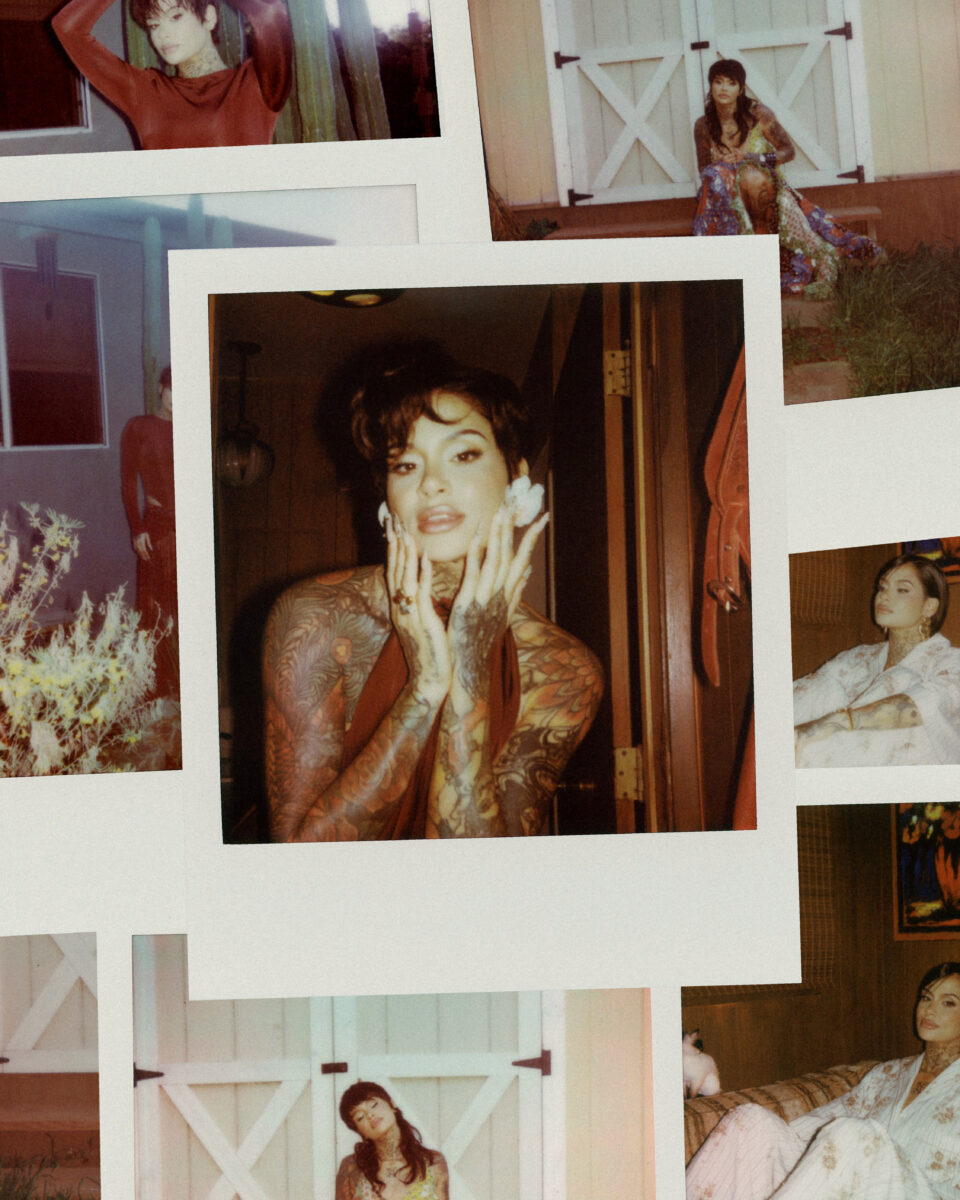
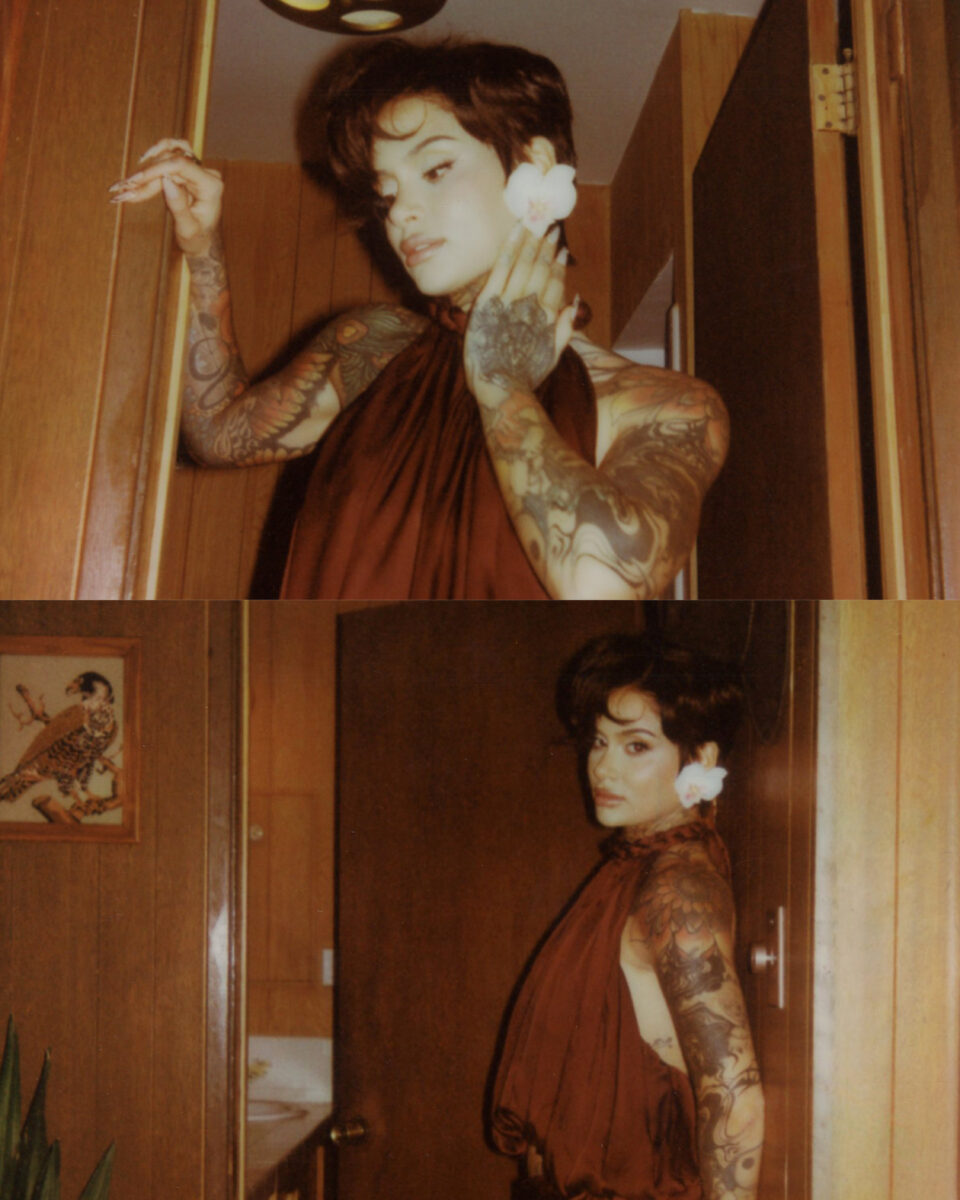
Kehlani knew it wasn’t if but when this record would happen. “Basically,” she says, “I will say this, I always have such a macrocosmic view of everything. I know there are times in art and history when it’s finally time for certain things, things that couldn’t exist before. People have been making this R&B complaint for so long, but there were still so many people doing it. There was also this complaint from the public: ‘We don’t want you guys to oversing, and when you guys dance it’s too much movement, and these songs are too long, and we won’t make these types of songs pop.’ For a while, the standard had been set by listeners. I watched plenty of artists stick to the R&B route, and people were just like, ‘Okay.’”
“Missy Elliott once tweeted that there was a moment when labels stopped asking her to do R&B albums with R&B artists because they didn’t want people to sing anymore – because people weren’t purchasing or supporting that kind of music. I just think there’s something happening in history where people in art are demanding real shit. They want better-quality shit, and for the first time, I think they mean it. They’re ready to support it. Maybe we’re in a renaissance where I feel like, ‘Okay, let me come out and peek around, and I can do what I really want to do.’ I don’t have to focus on people saying, ‘It has to be so different, so cool.’ I think there was a barrier placed on R&B for so long – it had to be so alternative, kind of cool, become a ‘genius’ thing for people to realise it’s best. A lot of traditional R&B records got ignored, so it’s fun to be able to return to the genre.”
Executive-produced by her longtime collaborator Khristopher Roddick-Tynes (who helmed “After Hours” and “Folded”), the album taps into the golden age of late-’90s to mid-2000s R&B, melding Kehlani’s creative family with the artists who shaped the original sound. Less an exercise in nostalgia than a moment to add to the tapestry of R&B’s sacred legacy, this was the time to go big. Blockbuster features include Usher and Clipse – and Kehlani giddily shares that she’s just received her Missy Elliott vocals back.
Over a co-produced Rich Harrison track (Beyonce’s “Crazy In Love”, Amerie’s “1 Thing”) filled with his signature drums and brazen horn soundscape, Lil Wayne’s New Orleans drawl cuts through as he spits “I’m lost in the tsunami that is Kehlani’, while Kehlani sings her ass off, letting us know she ‘don’t want another lover (no way)”. The song is a welcome home to an era when those gargantuan noughties R&B collaborations between belting divas and rappers ruled the airwaves.
One of the most meaningful moments on the project is Kehlani’s coveted Brandy collaboration. A devoted disciple, Kehlani is always giving the R&B diva her flowers – literally presenting her with a bouquet last November at the LA stop of The Boy Is Mine tour, nicknamed ‘The Vocal Bible’ not simply for her tone, runs and technique, but for the way she layers vocals, Brandy’s influence still reverberates through modern R&B, echoing the legacy of Full Moon (2002) and Afrodisiac (2004).
Initially, Kehlani had been reworking a formerly leaked Brandy song when she learned another artist had already released a reinterpretation, prompting her to scrap the idea. Later, in Miami, a session with legendary producers Jimmy Jam and Terry Lewis yielded something special. Trusting her instinct, Kehlani decided to shoot her shot, and Brandy delivered while on the road. From one touring musician to another, Kehlani was in awe that her hero took the time to record a verse amid a jam-packed tour schedule.
As soon as Kehlani opens the duet entitled “I Still Need You”, singing, “I’m wrapped up in my sheets / Smell you on my pillow case / It’s gonna be one long night / No hands around my waist / Wanna be near your skin, wanna be in your face / I want what I can’t have / And ask you every day”, you feel not only Brandy’s vocal influence, but the inevitability of this collaboration finally coming to fruition.
Then, when you hear an “aaah” that runs for the hills on the second verse, you know it’s the one and only B-Rocka. As she sings, “How can I get you here? / I miss you every day / From my lips to your ears I hope love finds our way / Wanna be near your skin, wanna be near your face / Missing the love we had, it just can’t be replaced”, it sounds like nature is healing. As the two trade lines on the bridge and race each other into the final chorus – the kind of singing that would make Jennifer Hudson throw a stiletto – it feels like student and teacher, their voices weaving into something celestial. A reminder that R&B’s sonic legacies are safe, and will continue to be passed on.
“I will never forget getting the text: ‘Oh, the Brandy vocals are in – we’re going to send you this link,’” Kehlani recalls, still visibly moved. “I was at a bar in Miami after Jingle Ball Miami, and there’s a photo of me holding my phone to my ear because I couldn’t wait to get to the car. I’m at this loud-ass restaurant, crying at the table, holding this damn phone. It was a dream I couldn’t fathom – hearing our voices together. We’re having a run-off! I’m sitting there listening to this. You couldn’t have told me. You just couldn’t have told me.”
Kehlani’s lyrics have always functioned as a cartography of a heart redrawn in real time, making it historically easy to trace what’s happening in her life. We know when she’s in love – think “melt” and the love letters to her then-girlfriend 070 Shake on Blue Water Road. We know when someone has her all the way fucked up. In late 2019, just two weeks after someone she was dating was caught kissing another woman in a club, she released the frank and conflicted “You Know Wassup” on SoundCloud.

Scattered throughout the album, it sounds like Kehlani is going through it – a through line of pleading to get a lover back, sorrow, and the all-too-familiar anger at oneself for returning for one last link-up after swearing it was the last time. On “Out The Window”, the second single from the upcoming album, she laments, “Damn, who knew the silent treatment’d be so fuckin’ loud? / I feel the tension even though you’re not around / One night of mistakes erased all the days I spent buildin’ up with you”. Lyrics cutting enough to give anyone second-hand stress, prompting the question: how autobiographical is this project?
“You know what’s funny?” Kehlani laughs. “My friend was on the phone with me this morning talking about how you can trace all my projects back to that time in my life because I was so literal. I think I’ve built enough of an emotional bank now where I can write a song that is non-fiction and true to my life, but not necessarily from this exact timeline. I’ve genuinely felt everything I express on this album – it just isn’t like, ‘Oh, this is the person you’re perceiving right now.’ I’ve dealt with it. There are no diss moments. No ‘I’m going to address this situation.’ Now it’s more like, ‘Wow, I want to write a song about this – how do I tap back into something I felt but never processed?’ I was processing a lot during this album, for sure.”
Is it freeing to have that emotional distance? Kehlani grins. “Oh, fuck yeah!” Nearly two decades in the spotlight taught her the cost of over-explaining, and she’s done with it. “For a long time I had this hyper-need to express myself publicly. Honestly, my 2026 goal is to never explain shit again. I’d do it musically, and it would bite me in the ass, and then I’d be like, ‘Why is everyone in my business?’ It’s because I was being autobiographical with no distance, and putting everything out there. I need 75% more ‘fuck it’ and ‘I said what I said’ points in my tool belt, because do you ever really learn?” she cackles.
We’re living in a moment of collective nostalgia for 2016, for the perceived freedom before our current surveillance state. Kehlani’s debut mixtape, “Cloud 19”, arrived two years earlier, in 2014. When I bring up that era, she looks back with overflowing gratitude. Handing out mixtapes on Fairfax, asking shops to stock copies, Tweeting at “every single person who was Tweeting anything” – she was her own biggest advocate. Her best publicist. And that was only the beginning.
“Our sprinter broke down in the snow on our first tour, and we had to push it,” she recalls. “All the things we take for granted now, like the luxury of flying a certain way.” Recently in India, Kehlani had a moment of disbelief. “Little me wouldn’t believe that I’m singing songs from that time in India, and people know them and love them. But what I’m most proud of is how hungry I was. While I watched people my age having a ball, I was grinding so hard. I’m proud I persevered, that hunger built such a solid foundation.”
Kehlani’s first year in her thirties has brought career alignment, new heights, and long-dreamed collaborations ticked off the list. These days, she’s savouring watching her daughter Adeya, almost seven, blossom into herself. The world may be imperfect, but Kehlani is choosing to look toward the good.
“More than anything, I’m seeing the fruits of the inner work – not just my career labour, which is really cool – but making the right choices for my life and growing up. That’s what’s giving me hope. It’s the shittiest time in a long time in America, but seeing people choose to dream up a better world, and hopefully build one, that’s giving me hope.”
Period. With her new album almost at our door, send a courier for the clothes. Kehlani’s ready to cook.
Pre-order Wonderland’s Spring 26 Issue now.
Photography by Sophia Wilson
Styling by Michy Foster
Words by Trey.
Hair by Tai Simon
Make-up by Troye Antonio
Nails by Johana Castillo at Opus Beauty
Producer Krystal Collier
Lighting Tech Zach Arquilevich
Fashion Assistant Diana Valdavinos
Videography by Robert Marrero
Videography Assistant Cole Magrini