Water From Your Eyes’ Nate Amos maps the emotional journey that led to his latest richly captivating work, The Singer In My Band.

Establishing himself among the most daring of contemporary songwriters was never Nate Amos’ plan. Writing under his This Is Lorelei guise out of boredom and pure desire to create, the solo project grew far beyond its initial diaristic intent. It was from years of recording and releasing music on Bandcamp that Amos found that Lorelei and his art-rock band Water From Your Eyes‘ career pathways overlapped, especially after the longstanding success of his 2024 solo debut, Box For Buddy, Box For Star – where his honest lyricism on newfound sobriety became a beacon of comfort and hope to those who found it.
With such trust comes a responsibility that could weigh on an artist’s subconscious. Amos knew his next step as Lorelei had to be met with greater respect, purpose, and delicacy. The Singer In My Band was the result. Released on 11th September via Matador, his sophomore album maps the 35-year-old’s self-acceptance while cementing his burgeoning confidence as a songwriter – a title he can’t help but air-quote in reference to himself.
The Singer In My Band feels like a refined return to self and tradition. In its slow, peaceful creative process, Amos pulls from memories fundamental to his musical path – listening to bluegrass and jam sessions with his family while living in Vermont. The songs held within the Americana, jangle-pop-tinged record prompted a return to simplicity, inspired by Amos’ interest in roots music and the pre-recording era.
The Singer In My Band cultivates a presence that feels lived-in yet high-spirited, contorting the traditional structures of bluegrass with offbeat, pop-driven compositions reminiscent of Box For Buddy, Box For Star and his 2025 release, Holo Boy. “I like the idea of a melody and words being strong enough to just stand on their own without the help of other things,” Amos pinpoints when we meet at London’s Time Art Cafe on a June afternoon. He’s quick to convey his laid-back, easygoing demeanour that welcomes an immediate conversational flow. “A song surviving outside of its original context is the mark of a really good song. Whether that’s the song still being relevant in a different period of time, or if it’s the song being performed in a different genre. I just think that’s the mark of a quality piece of work, if songwriting is what you’re trying to do.”
At this point in time, he’s at the crossroads of his two projects. Water From Your Eyes captivated a sold-out Roundhouse audience supporting Hayley Williams the night before, while Amos is gearing up to announce the release date for The Singer In My Band along with its lead single, “Billy Came Back”. Oscillating between the two isn’t foreign territory for him, though; “Last year I was on the Lorelei tour doing prep for Water From Your Eyes. It’s gotten a little easier. At first, there was more whiplash hopping between projects. Now I’ve done it enough that I’m used to it,” he explains.
Between Box For Buddy, Box For Star and The Singer In My Band, Amos found himself adjusting his songwriting practice, shifting from a daily exercise to an abrupt pause to fit into busy touring schedules. The Singer In My Band began as sketches of songs doodled on the road with no access to instruments or equipment, taking a comparatively slow approach to Lorelei’s traditionally fast-paced writing methods. On an emotional level, Amos set a goal for the album that each stylistic component would follow, marking a departure from his former music-making approaches. “Lorelei was always about exploration with no particular destination in mind. The process of making Box for Buddy, even though it was very much a speed thing, was about constant writing and keeping songs in this concentrated space where they’re born, live, and die all within these four hours,” Amos recounts.
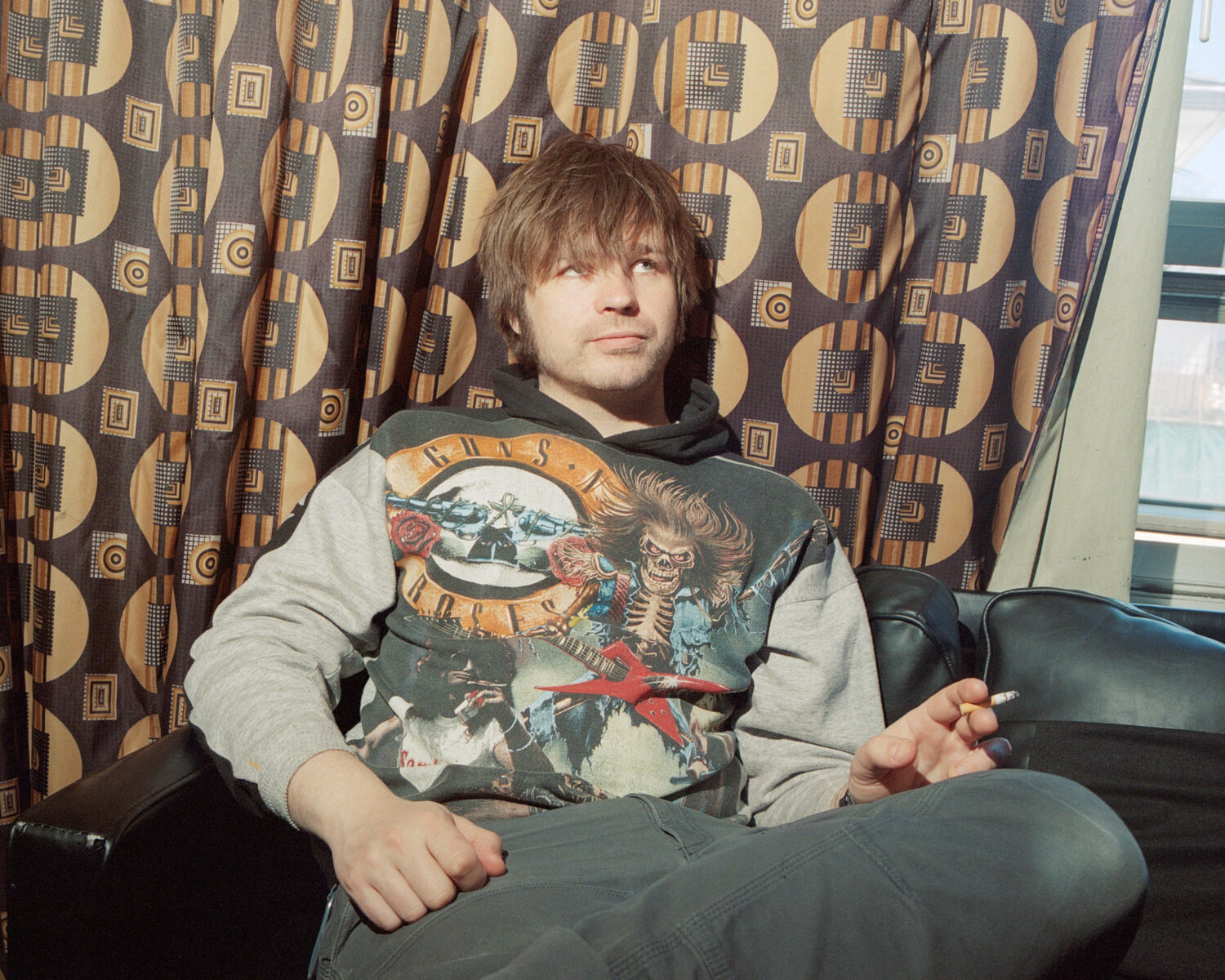
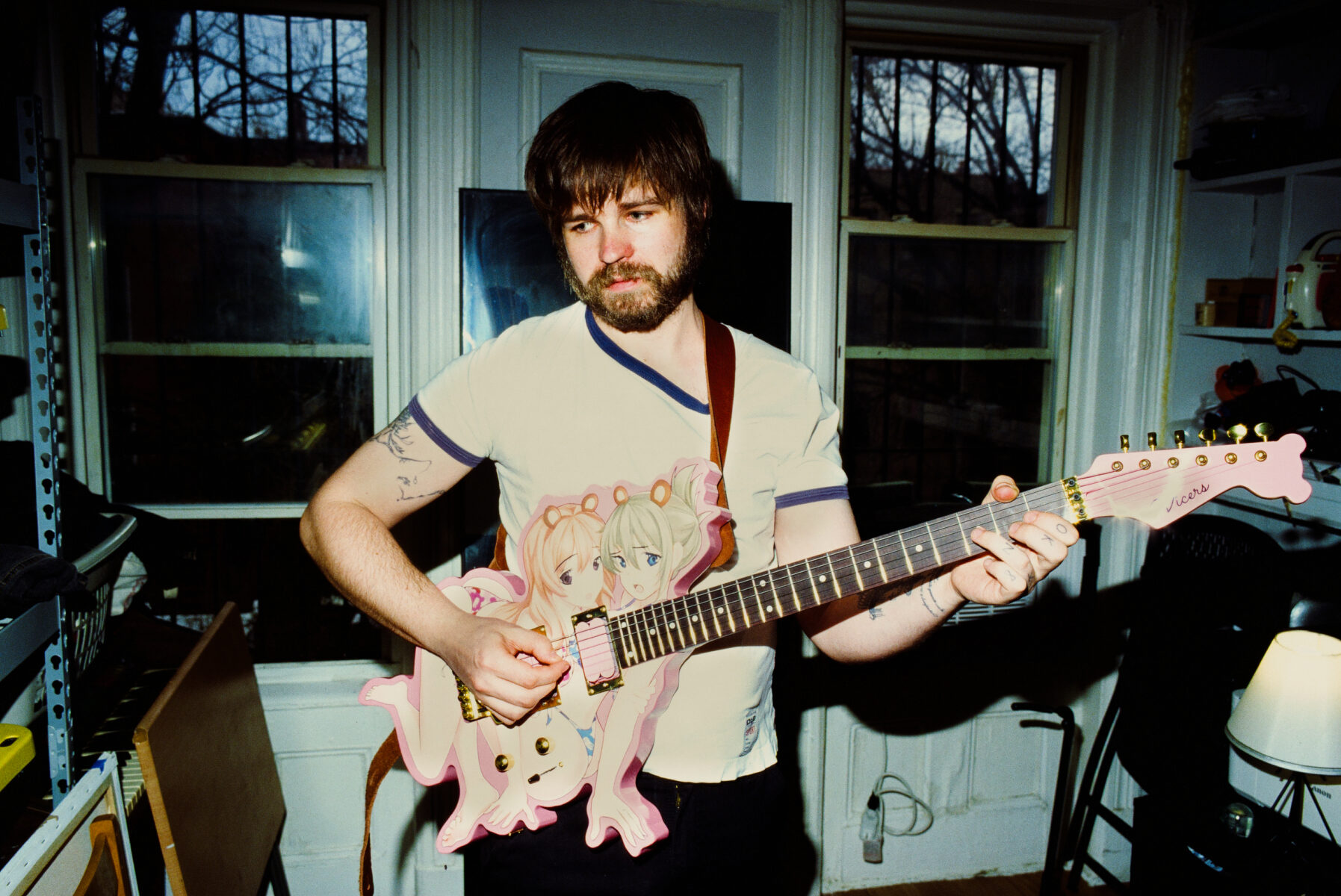
Now, Amos finds himself bemused by the higher calibre of exposure from labels and listeners. “If I make something, I have to live inside of it for two years, which is a big commitment for someone who generally, once I finish recording a song, it’s done. I don’t really want to think about it anymore,” he confesses. When you lead a relatively private life, it can be difficult to balance pressure and grounded presence as your artistic platform grows. There’s a small ounce of expectation from your listeners prompting you to proceed with more gentleness and intention towards the messages you transmit through your music. “[With Box For Buddy, Box For A Star] I would get people confiding really heavy things to me. While it’s gratifying to know that what you’re doing is helping people, it’s also terrifying because I’m not trying to be an emotional authority for anybody. I approached this album knowing that there are going to be people who, in a vulnerable state, will be leaning on us for support. That is something that I think has to be treated with a lot of respect.”
Having a song that resonates so deeply that it almost feels personally made for you is often the catalyst for fan-to-artist admiration. Amos understands the tenderness of those dynamics, where you are drawn to everything these artists do, and handles them with care. “I don’t want to accidentally say something that I don’t mean and then have someone interpret that as gospel the way that I interpreted musicians’ thoughts as gospel when I was younger. I know how real that can feel and how much of an effect that can have on you. I don’t feel like I’m particularly qualified to be weighing in,” he humbly urges. Strangers building such deep connections to your work is grounds for feeling creative success, but the recognition can be equally perplexing.
“A big part of this album was coming to terms with myself and being okay with being exposed. In the past, I’ve done a lot of disguising my own voice as a way to kind of hide,” he explains. “I want to be able to talk about mistakes I’ve made without romanticising them.” It’s a fine line to walk between honesty and idealisation, though Amos eases into it with the musical presence of his dad, sister, and partner. Fundamentally shaping what the album’s ethos was to begin with, each makes their respective contributions. With Sarah Amos and Al Nardo on backing vocals and Bob Amos playing banjo, Amos exposes his subconscious and finds solace within it.
Although his objectives for The Singer In My Band were clear, Amos is not overly concerned about whether or not his personal interpretation is conveyed to listeners. “I find that over-defining your own work is a sign of artistic insecurity,” he says. “You have to be willing to let it out to fight on its own. The only thing you accomplish by defining your own art is making sure that everyone knows what it means. That’s not the point. It means something to me, but that doesn’t mean that’s what it means to everyone who tries to figure it out.” Nowadays, audiences love to decode the true context behind an artist’s music, but Amos’ statement speaks to how true creative ideals manifest as a productive force in someone else’s life.
Defining the word ‘success’ is a loaded concept in itself, even more so when you place fame, accolades and opportunity on the table. “I want to make art that allows people to help themselves, and I want to be able to take care of my family and the people around me,” Amos asserts. “I owe an awful lot to my close friends and family for helping me make it through some of the things that I made it through. I want to help people in ways that I have been helped in the past, and that is through music and unconditional love.” His definition is well-aligned with the spirit of his new album, The Singer In My Band. As Amos grounds himself in self-acceptance and forgiveness, he lays down the emotional foundation to support his breakthrough success and its growing exposure.
Words – Izzy Petraglia


