Brighton-based singer-songwriter Paris Paloma is using her music to push back against misogyny. From intimate venues to festival stages, she’s carving out a space where women can connect – and be heard.
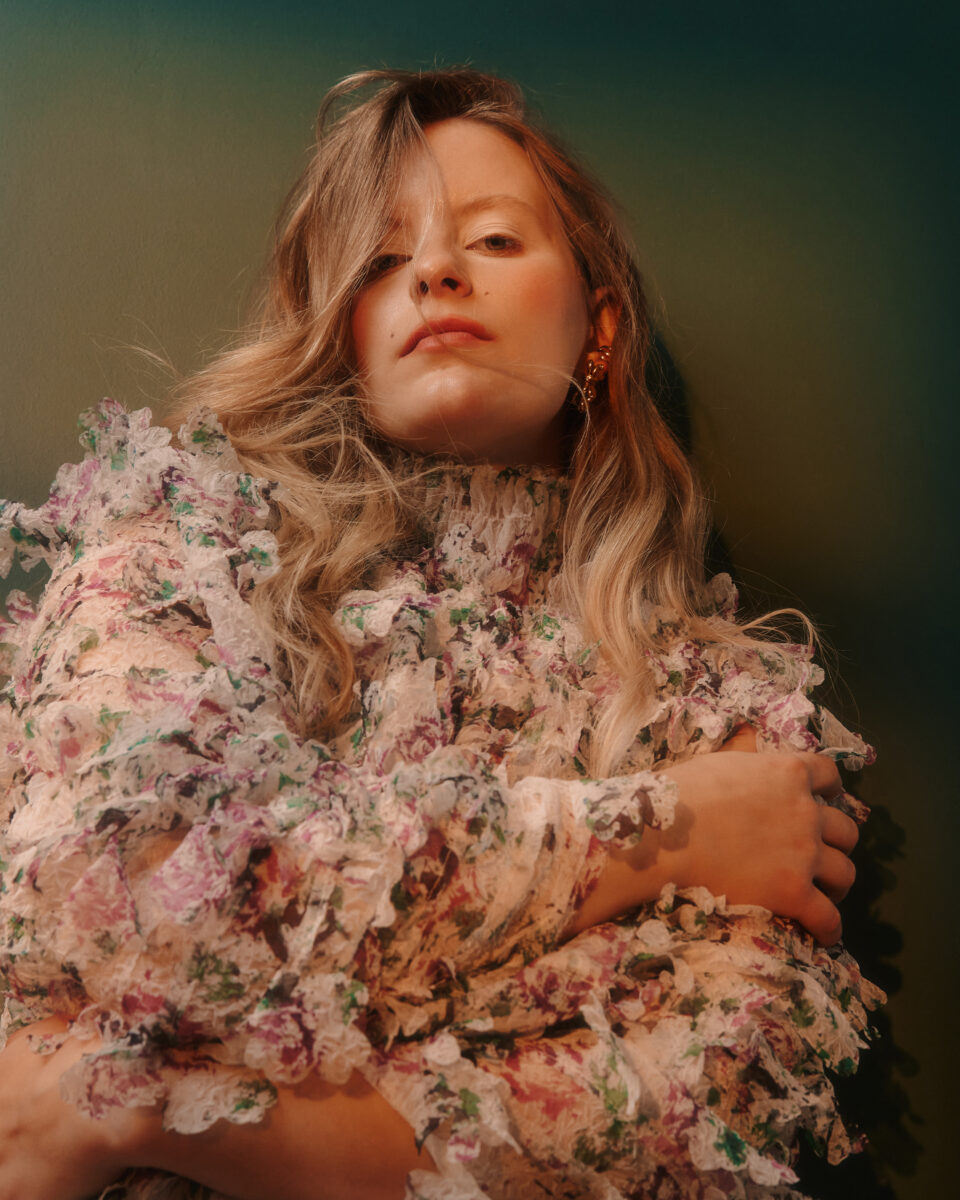
In a hotel room in Notting Hill, the sheets are still warm from Wonderland’s shoot lights. Paris Paloma waves me over, insisting I sit in the hotel bed with her. As we get comfortable, glitter clings to her lashes like leftover confetti from the photoshoot that wrapped just fifteen minutes ago.
Earlier that afternoon, the conversation veers to Kim Kardashian’s new Skims product – underwear featuring a fake bush. The faces of the women in the room fall with disappointment. “It’s wild, isn’t it?” Paris says, laughing knowingly. “Kim spent years setting unrealistic beauty standards, convincing girls that having no hair was the ideal, and now she’s selling thongs with a fake bush. How ironic.” She pauses, smirking. “My culture is not your costume.”
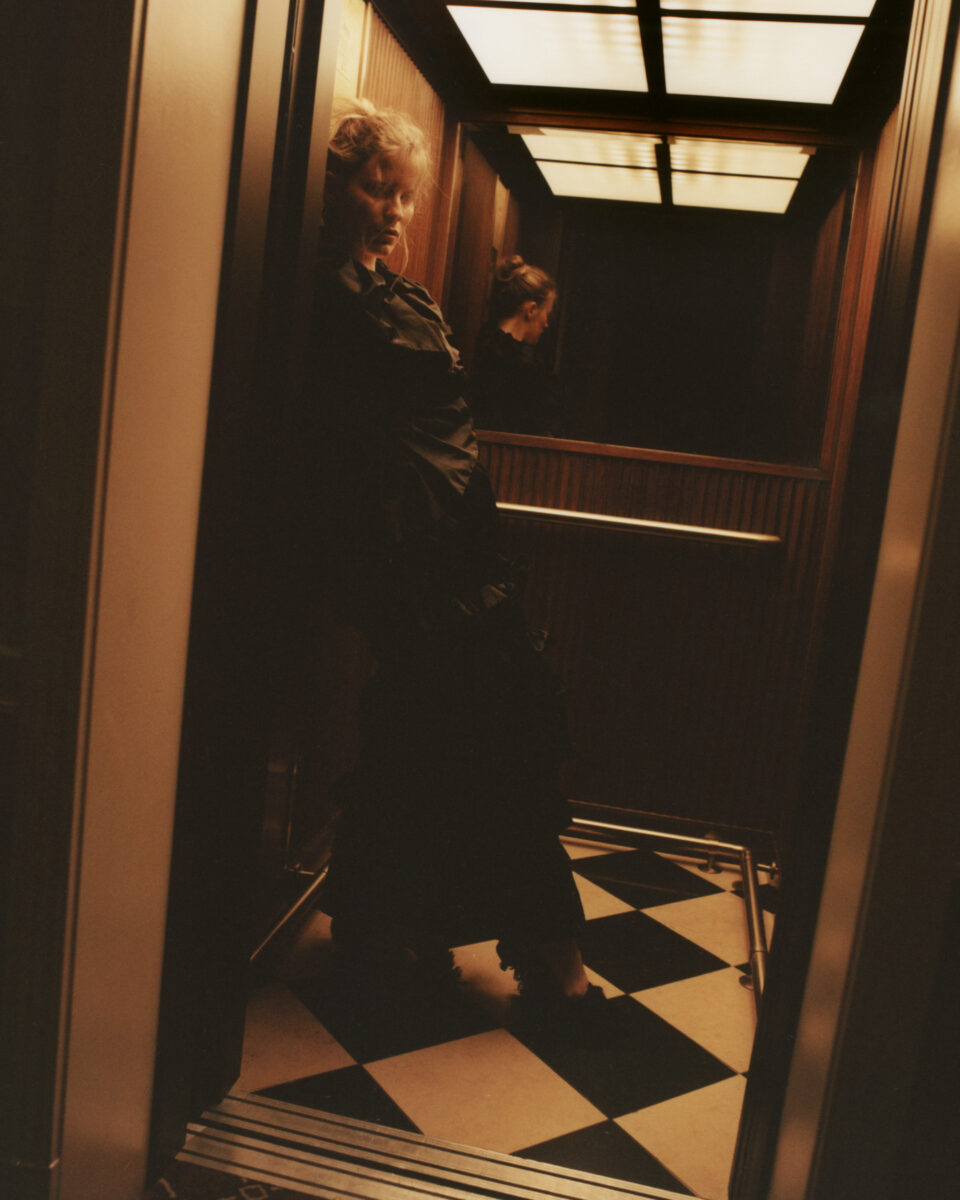
Her willingness to call out modern beauty standards and misogyny is nothing new. In 2024, her song “Labour,” from her debut album Cacophony, exploded online. The track became an anthem shared by women recounting their own experiences and protesting misogyny and systemic injustices, propelling her from small south London venues to Glastonbury.
Now, she leans back into the pillows, equal parts exhausted and radiant. Reflecting on her own upbringing helps her make sense of the perspective she brings to her music. “All-girls school comes with, like, positives and negatives, doesn’t it?” she begins, before expanding the thought. “And there was a fall of Eden of sorts when I turned eighteen and realised that we weren’t all girls trying to make our lives better and fight misogyny.”
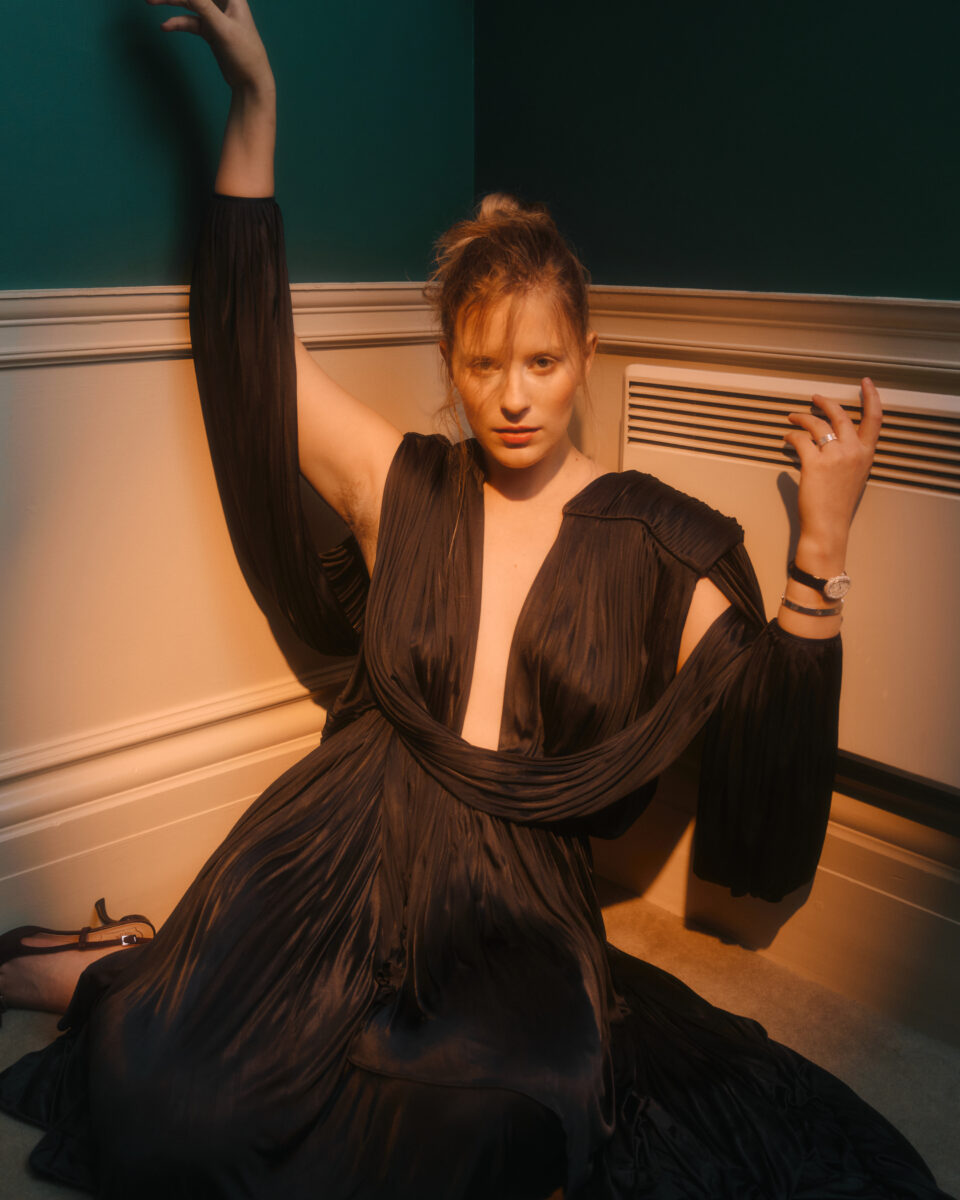
Paloma grew up writing stories that helped her process and understand her inner turmoil. Her grandmother bought her first guitar during a holiday in Jersey, a small instrument that would help her turn these stories into music. “I used to have a pencil always by my bed, and I would just write on my wall when I had any incessant ideas.” From the beginning, the Derbyshire-native gravitated towards folk storytelling, using narrative songs to explore her emotions.
The “fairies”, as her fans call themselves, were first drawn to her music not merely for the melodies but for the emotional honesty and relatability in her lyrics. A Glastonbury set, and opening for artists she admired – including Stevie Nicks at Hyde Park’s BST Festival in 2025, which Paloma believes she “manifested” – cemented her place on the stage and in the wider music scene. Her trick to performing in front of 65,000 people? “Really good therapists.”
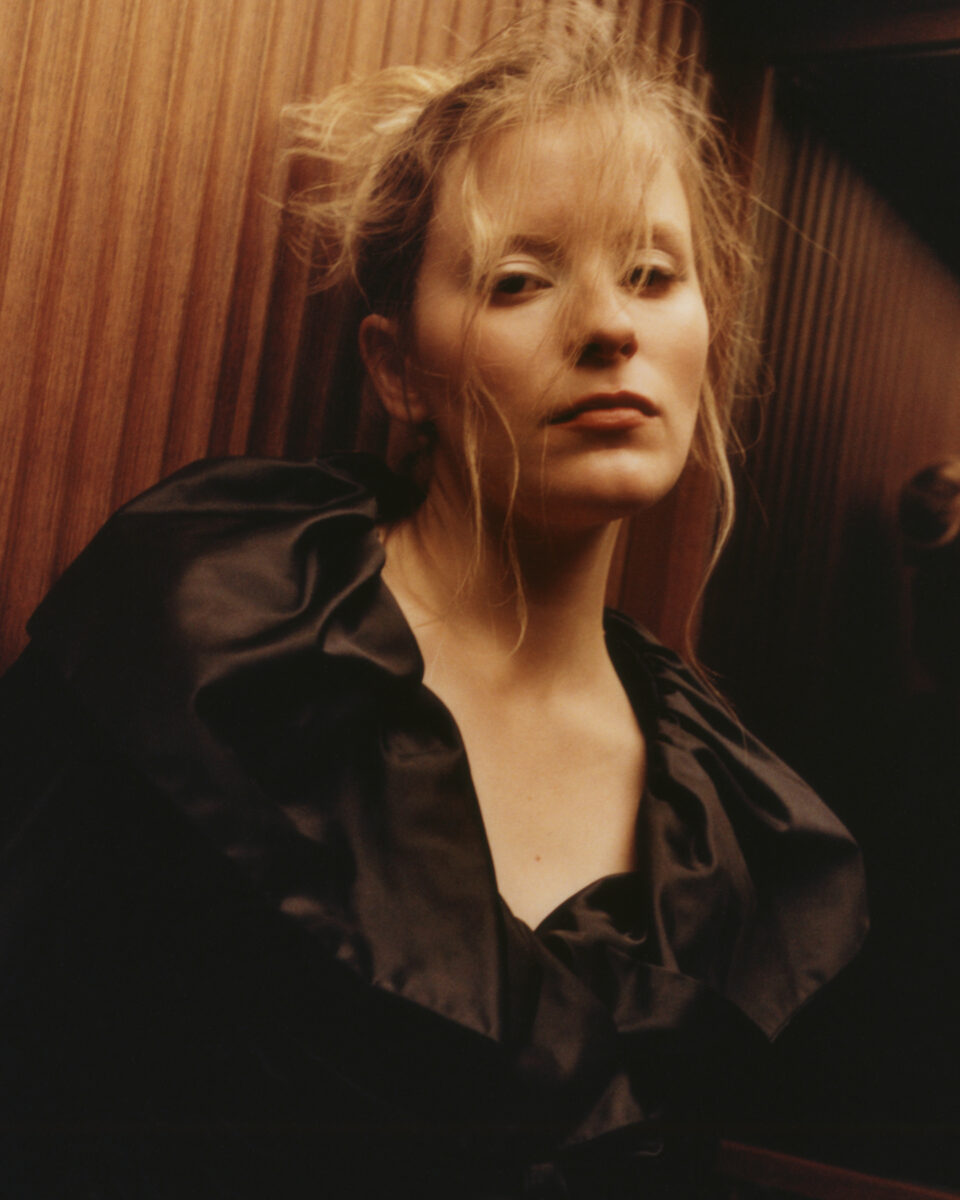
Touring during a politically charged time, when women’s and queer rights face constant threats – particularly across the U.S., where she headlines six dates this year – sharpens her sense of purpose. Looking out at rooms filled with young women, trans people, and allies, Paloma often finds herself wondering, “Where is the nearest safe space where all these people can come together?” She watches fans help each other with hair and makeup, swapping messages in lines outside venues. These small moments of connection remind her why the work matters far beyond sales or streams.
Seeing women behind the camera is just as important for her. “It’s so important to cultivate girlhood wherever you go,” she muses. Working with female producers creates a kind of shorthand — a way to handle heavy subjects without having to explain every nuance. These partnerships enrich her storytelling and foster the safety she values, a counterpoint to the male-dominated spaces of the industry. “It’s not just symbolic,” she says. “Being a woman artist and not being the only woman in the room – it changes everything.”
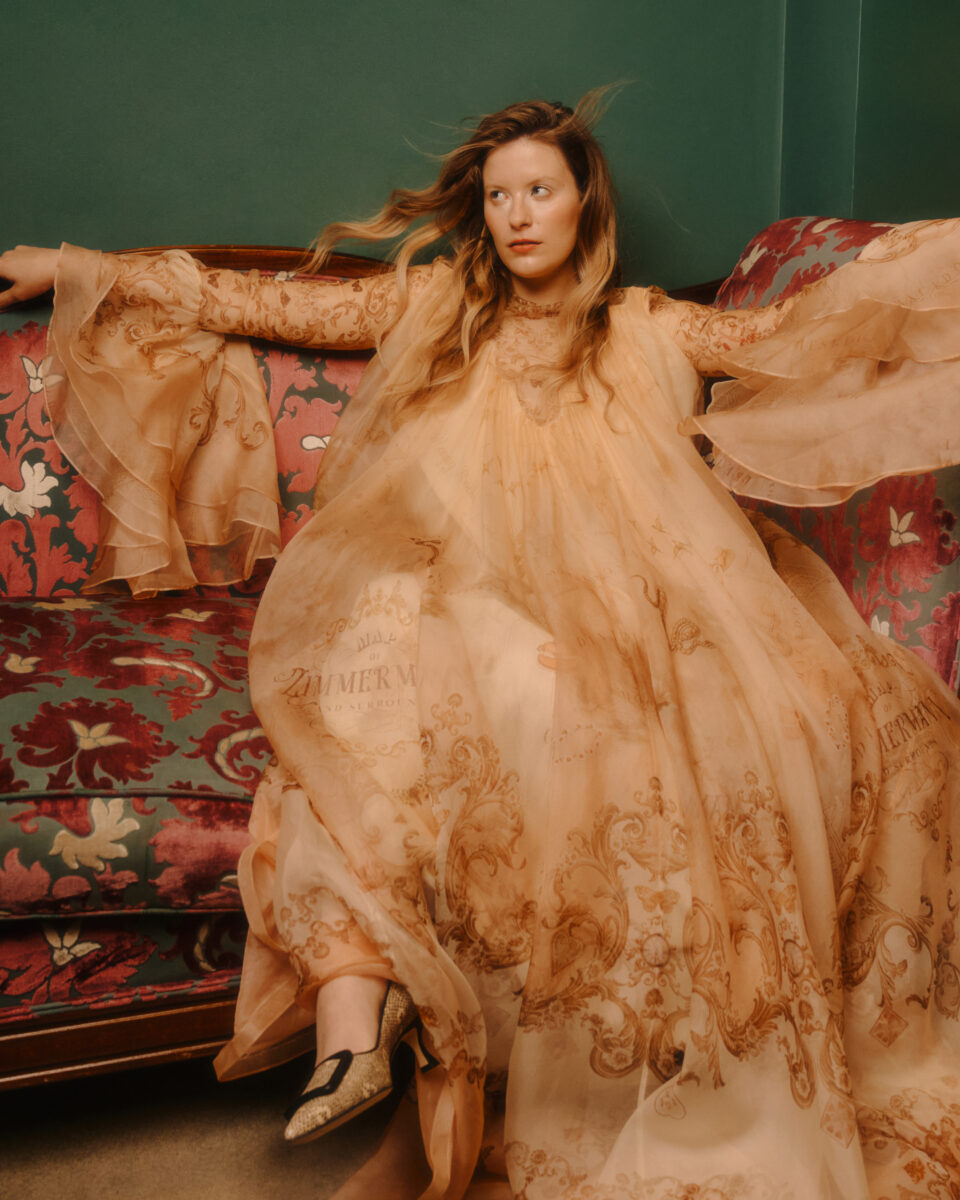
Even as her work expands, incorporating orchestral textures and emotionally complex narratives, it remains tethered to the clarity and intimacy of her earliest songs. The Brighton-based artist draws inspiration from thinkers like Bell Hooks, whose writings on love, justice, and intersectional feminism have informed both her worldview and her music. Bells’ ability to validate anger while fostering community resonates deeply with her, and that influence echoes subtly in her songwriting.
Paloma is not chasing fame for its own sake, nor does she adhere to rigid plans; she moves from project to project, guided by curiosity and commitment. Success, for her, is not the applause of a crowd or the metrics of streaming platforms. “If you’re focused on what’s important, your creative practice gets bigger. I’m not a five-year-plan person. I’m just doing what I love. What’s the next thing I can do today that will keep me doing what I love?”
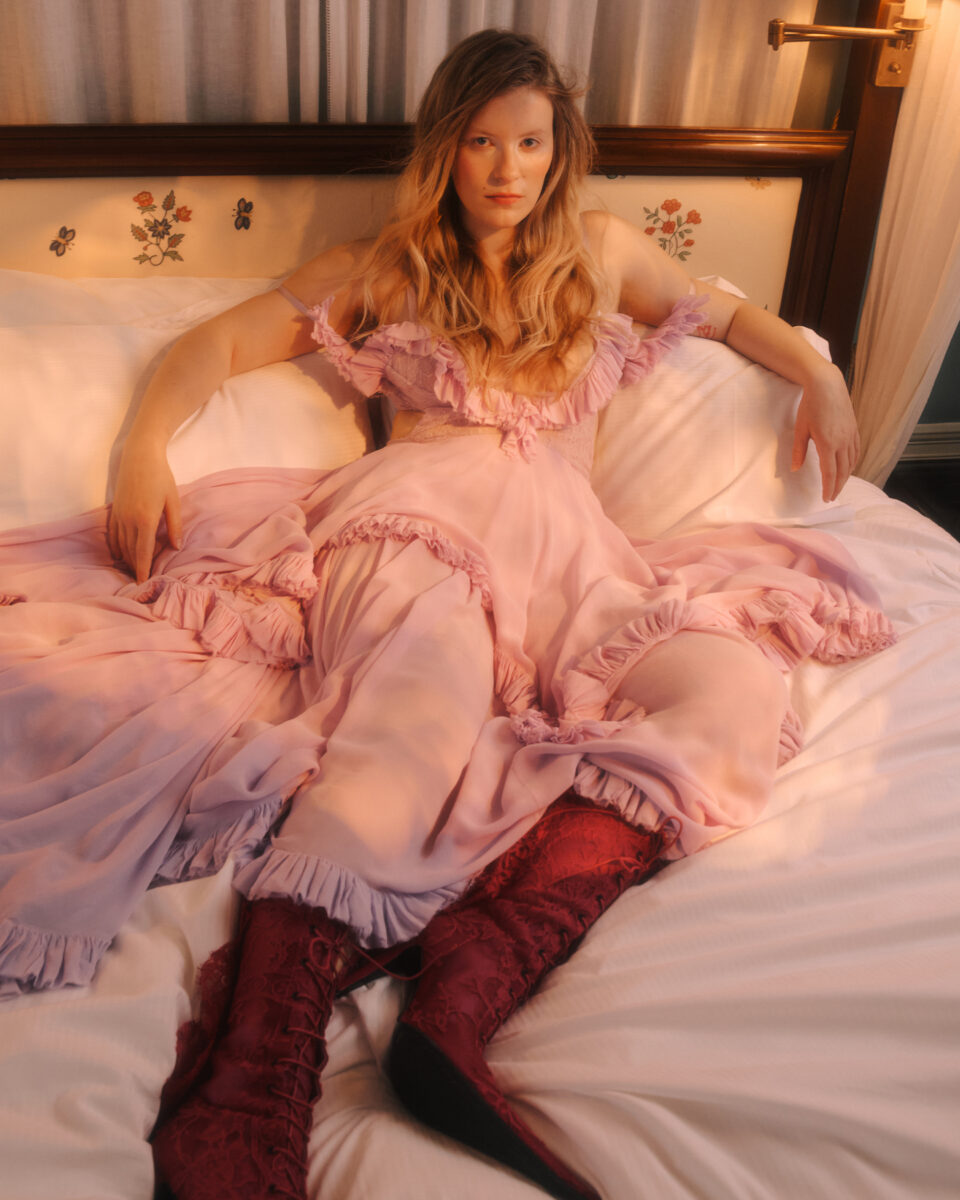
Her latest single, “Good Boy”, is her letter to every man who ever thought that the patriarchy could serve them. With a full project on the horizon, Paris Paloma is set to continue her own headline tour across Australia in the new year, before joining Florence + the Machine as support on their upcoming UK and European tour in early 2026, stepping onto even larger stages.
Sitting there, the same glitter still clinging to her lashes, she radiates the confidence of an artist who has found not only her voice, but an important message she’s determined to amplify.
Photography by Ollie Ali
Styling by Abigail Hazard
Words by Moira González
Hair by Christopher Gatt at Agency of Substance using bumble and bumble
Make-up by Isabel Concetta at Premier Hair & Make-up using Jones Road Beauty
Digi Patricia Benitez
Lighting Assistant Lenny Cossey
Fashion Intern Scarlett Milroy
Videography by Lauren Austin
Special Thanks to Roseate House London


