As The Gilded Age unfurls its third season, the Australian actor lets us in on his time away from set, his experience growing alongside his character, and the importance of bringing new dimensions to Larry Russell.

In every television series centred around the upper echelons of society, we see new versions of familiar characters take form. The crown passes from queen bee to queen bee, a new out-of-town family moves in to serve as a “relatable” foil, and another bad boy turns out to be misunderstood. From Beverly Hills, 9010 to The OC to Gossip Girl, we’ve fallen in love time and time again with the same heartthrobs and rolled our eyes over the same entitled young billionaires. And when we first meet Larry Russell in Julian Fellowes’ The Gilded Age, it’s easy to expect him to fit into the latter.
The only son of Park Ave’s quintessential “new money” family, Larry Russell (Harry Richardson) is born into a world of excess. A recent Harvard graduate experimenting with his career goals and engaging in scandalous affairs, he carries himself with the naive self-assurance of a boy who never has to worry whether he can afford a new suit or another mistake. Whether from his railroad tycoon father, George Russell (Morgan Spector), or his society-shaping mother, Bertha Russell (Carrie Coon), every door is open and every opportunity is his for the taking. He is spontaneous and carefree, with the luxury of freedom not granted to his sister Gladys (Taissa Farmiga) and a safety net to catch him when he falls.
In the third season of The Gilded Age, however, Australian actor Harry Richardson proves Larry is anything but one-dimensional, bringing an authenticity and growth to the character that sets him apart from the predecessors of his archetype. Between helping the young footman-turned-inventor Jack Trotter (Ben Ahlers) sell his alarm clock patent, navigating his engagement with Marian Brook (Louisa Jacobson), proving himself on a business trip to help his father, and supporting Gladys through her impending marriage to a duke, he faces unpredictable arcs, deepening connections, and events that prompt accelerated growth. Throughout it all, the Russell son steps into his own this season – right alongside the actor himself.
“We took a very long break in between the second and third seasons,” Richardson explains as we connect to talk about the season unfurling this summer. He logs on from his home in Brooklyn, where he spends the time he’s not in Australia, and he’s somewhat unrecognisable without the top hat and dinner gloves I’m accustomed to seeing him in on screen. Quickly, however, I get to understand a bit about the actor behind the three-piece suits. “That space was very helpful for me on a personal level. I feel like I really grew and changed in certain ways as a being. That spaciousness to explore other things in my life and other creativities and other adventures and passions of mine really meant that, coming back this season, I was really excited to come back into this world and bring how I had grown.”
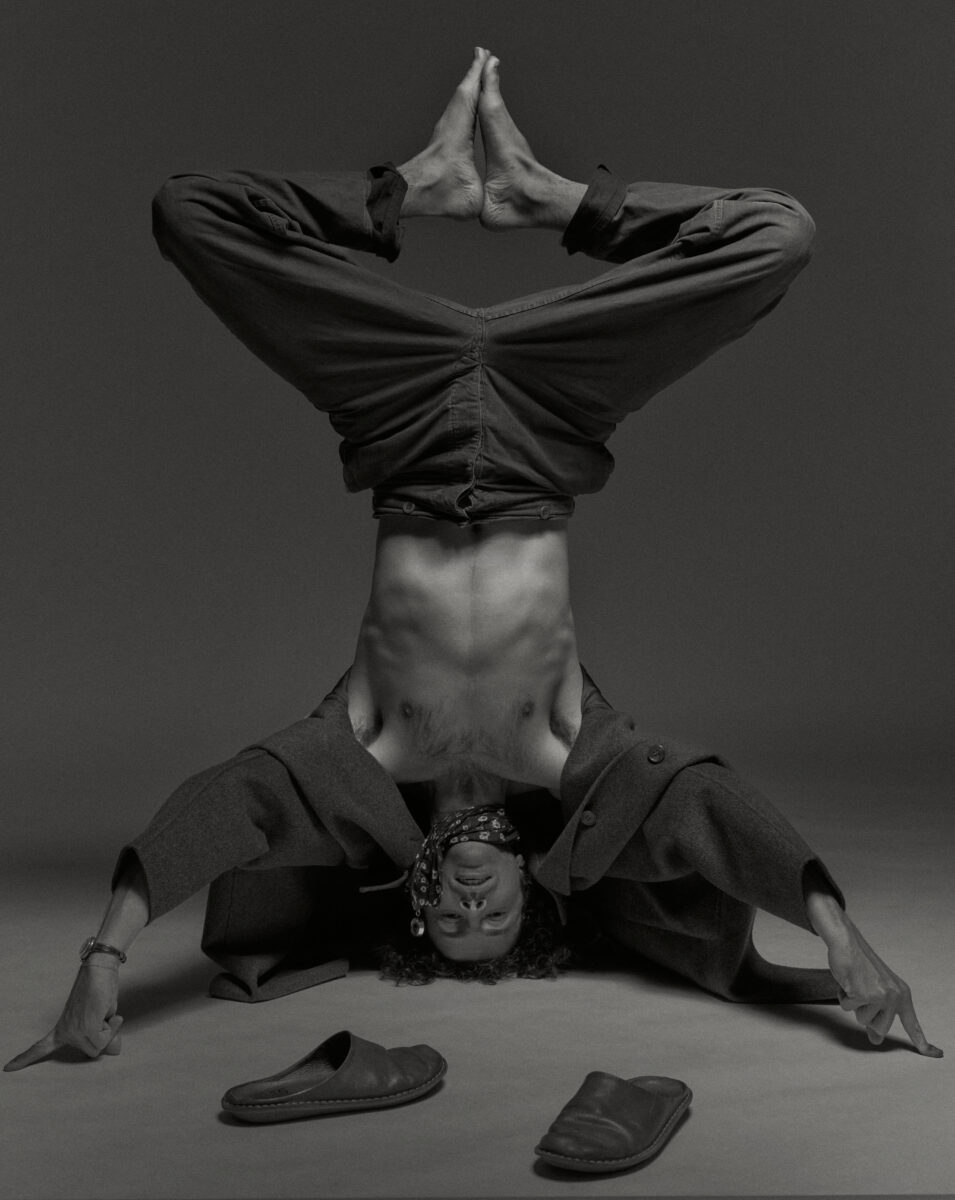
“I think my experience as an actor and Larry’s experience as a young man are quite interwoven this year,” he continues. “He got to engage in a lot more complexity and a lot more growing up, stepping out on his own feet, and I feel very blessed to have had so many beautiful plot lines to engage in… I think this season we start to see the complexities to Larry Russell and the complexities of his heart.”
Turning what could have been a stereotypical spoiled heir to the railroad empire into the lovable, wide-eyed, well-meaning boy-next-door you can’t help but root for, Richardson approaches Larry Russell with both the eye of a critic and the heart of an empath – giving a performance that’s as multi-layered, dynamic, and nuanced as the intricate dinner party customs of the time. Through his portrayal of Larry’s misguided falters (affairs, nightclubs, etc) and successful endeavors (business deals, brotherly advice, etc) alike, he gives a beating heart to this season’s leading man, brings a refreshing depth to the classic “friends to lovers” trope, and breathes a new life into the rigid structure of Park Ave elite.
As we wrap up our call, I ask Richardson what he’d like to see from Larry moving forward, and his answer, naturally, is a piece of advice he’s working on himself. “I think most young men, myself included, need a depth into the exploration of listening, especially to the women that he loves or that love him. There’s space to listen to your parents even if you disagree with them and there’s space to listen to this partner who you love. I think that would be my advice — patience and communication. Personally, that’s what I’m trying to learn in my own life.”
Read the full interview below…
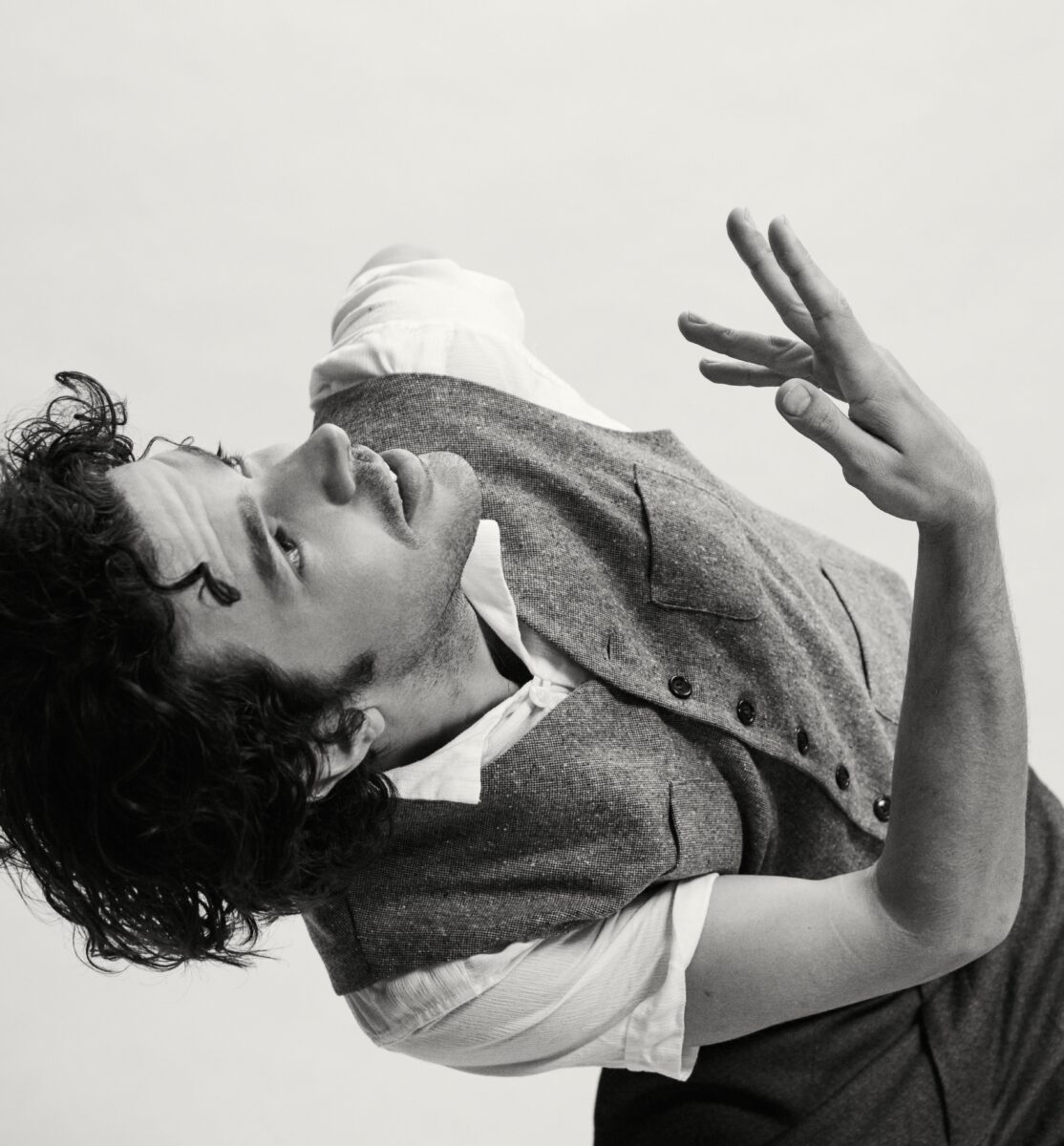
What initially drew you to The Gilded Age and, particularly, the character Larry?
I was back in Australia and I had an audition come through. I had previously worked on a Julian Fellowes project — Dr. Thorne was one of my first jobs out in the UK – and so I had some familiarity and excitement. But it was especially exciting for me when my friend, Tom Cocquerel, who played Thomas Raikes in the first season, had a callback for the show. He called me and he was like, ‘mate, you know Julian Fellowes, can you have a peep of my self tape and have a chat about it?’ And when I saw him do his tape, I was so blown away. It really reminded me of how beautiful the melodies and the rhythms of Julian Fellowes’ writing is. Seeing Tom do that got me so excited to do the audition.
Larry as a character I thought was really wonderful, because he was a slightly different character from the types I’ve seen. He could very easily be this somewhat villainous, privileged, spoiled kid. But instead he is in this opulent world and he’s a new generation that is a counter to the egoic society and the particularly aggressive drive of the generation above him, of his parents. And that just felt like a very attractive character to me. He felt very kind, which was interesting because I hadn’t really seen, you know, a somewhat spoiled kid be depicted with a good heart and good intentions.
What was the research process like?
There’s so much information and so much historical record of how wild these people were, how wild the society types were – the women who were running society and the insane businessmen who were creating these unbelievable amounts of wealth – and yet there’s not many projects out there about this time period. There’s Edith Wharton novels, of course, and Daniel Day-Lewis’ film of The Age of Innocence (which was a beautiful reference point), but what I feel like is really beautiful about The Gilded Age is it’s capturing a time period and a societal dynamic that hasn’t really been explored that much in American history. We had an incredible research team when we first started and they created a very beautiful bible, and then we were all diving into our own individual research as well. I was watching a lot of documentaries about the time and a lot about the way that society was run and the classes and etiquette and the stories from that time about how wild the parties and balls were. It was a really out of control time that’s not that dissimilar to today, with these wild expressions of incredible wealth and wealth disparity that’s emerging and innovation in society. There was a splendour of things to engage in historically, but also not that many previous films or TV shows, so it felt very exciting to be a part of engaging in this historical venture.
Were there any surprising customs or ways of etiquette you had to learn?
There’s a lot of specifics that seem weird and surprising: the rules and regulations around when you’re meant to be wearing gloves and carrying a cane and wearing a hat, and how wrong it was to go outside without any of those things; how there was a pressure around dress and there was an etiquette around what colour you were using and how you were greeting someone and whether or not you could talk to so-and-so being a young, unmarried man. Men will shake hands when they say goodbye or when they say hello, however they have to take off their glove in order to do so, so people are taking off their gloves and shaking hands and putting back on their gloves and tipping hats and all sorts of details I think you can feel through the show. You can feel all these little subtleties that indicate this was a different time period.
It also made me reflect on what things we do culturally today which seem really normal to us but are actually etiquette and manners that will change and that weren’t always this way. We all have our own assumed moral behaviours and etiquettes that apply to the unspoken laws of texting or social media or how you meet up with someone now that we have Find My Friends, or how you engage in event organisation on Partiful or something. We have these things that we adopt in our culture that are really behavioural traits of etiquette at a certain time, whereas those will change.
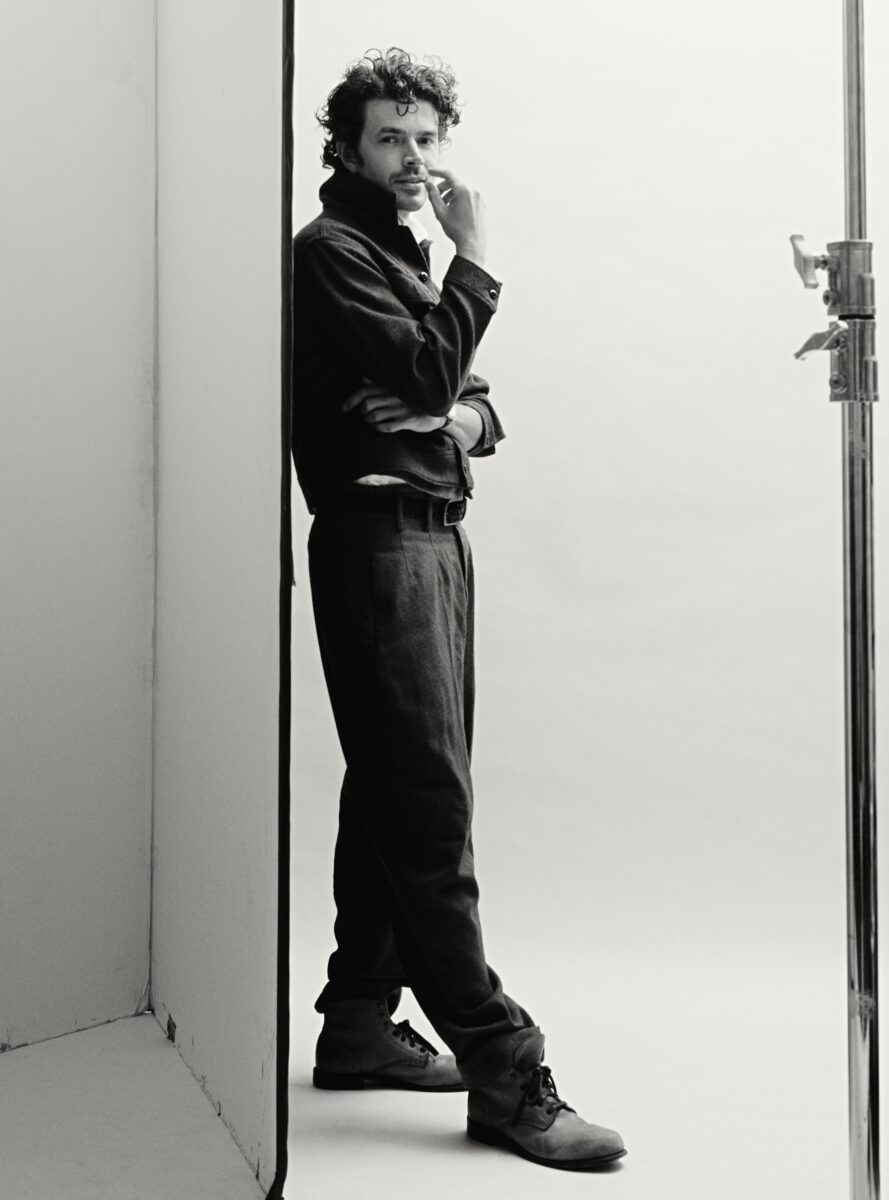
How did it feel going back this season, now that you’ve been with this character and the cast for many years now?
We took a very long break in between the second and third season, due to strikes and different happenings in the industry. And I think that space was very helpful for me on a personal level. I feel like I really grew and changed in certain ways as a being. That spaciousness to explore other things in my life and other creativities and other adventures and passions of mine really meant that, coming back this season, I was really excited to come back into this world and bring how I had grown to this season.
On a professional level, it’s always been a joy to be in this show. The cast is exquisite and the crew are unbelievably professional and so kind and the way that this show runs is incredible, so there was no question for me as to whether I was excited to come back into it. I think the first and second seasons kind of blended and they were also wrapped up with a lot of world complications so they had their own challenges in navigating that. And all of us collectively taking this step away from this project allowed for everyone to be itching at the bit when we came back for season three. And I think it really shows. I think everyone is performing at an even higher level with very deep, very beautiful nuanced performances, especially Taissa, she’s incredible. She was amazing this year. But everyone was just really itching to get back together. It’s such a special project and it’s such an honour, I think for all of us, to be involved in this.
It’s interesting that you grew a lot going into the filming for this season, because your character also shows a lot of growth on screen – in a variety of different plot lines.
I think my experience as an actor and Larry’s experience as a young man are quite interwoven this year. He got to engage in a lot more complexity and a lot more growing up, stepping out on his own feet, and I feel very blessed to have had so many beautiful plot lines to engage in.
It was also really beautiful to explore other aspects of Larry’s character. You know, he wasn’t just this brother and son who wants to be an architect and is a little bit naive, perhaps, of how the world works or how love works. His engagement in these things was very wide-eyed but not necessarily super complex, and I think this season we start to see the complexities to Larry Russell and the complexities of his heart — the different strengths that he has in business, the places he has to grow as a young man when it comes to honesty (or going to naughty clubs).
Speaking of the naughty clubs, I’d love to hear your thoughts on the clock storyline – one of my favorites, particularly for the way it shows the loosening boundaries between the wealthy and those who work for the wealthy.
The whole adventure around the clock is beautifully written, and I think Ben really plays Jack incredibly. Jack is this kid that has huge dreams, and I think that is also something that Ben has in his life, so he plays it so beautifully. And I think that, like you said, it’s a very interesting exploration into the relationship between the wealthy and those who work for the wealthy, and the nature of privilege allowing for different rooms to be accessible and people relying on different people from different places in society to work together. But it also speaks to the potential for great success, and I think the fact that Jack goes from working in the Brook house and waiting on Ada and Agnes to being wealthier than his bosses is wild and encapsulates how wild a time this period in history was.
I think it is very reflective of what’s going on now where, you know, we hear these stories of a 14-year-old app developer who’s made $30 million at age 14 or something because they’ve
come up with this tech idea that sold incredibly. There’s these incredible fortunes being made out of the blue with people and their ingenuity and creativity and I think Jack is very symbolic of the people who you wouldn’t expect to be incredibly successful as either an engineer or a businessman or something suddenly having this potential in society to explode and rise up. I think Jack’s storyline and this engagement with the clock arc is a very beautiful metaphor that encapsulates very beautifully the nature of what was happening at that time, where the old money and the structures of society were being completely restructured and rewritten.
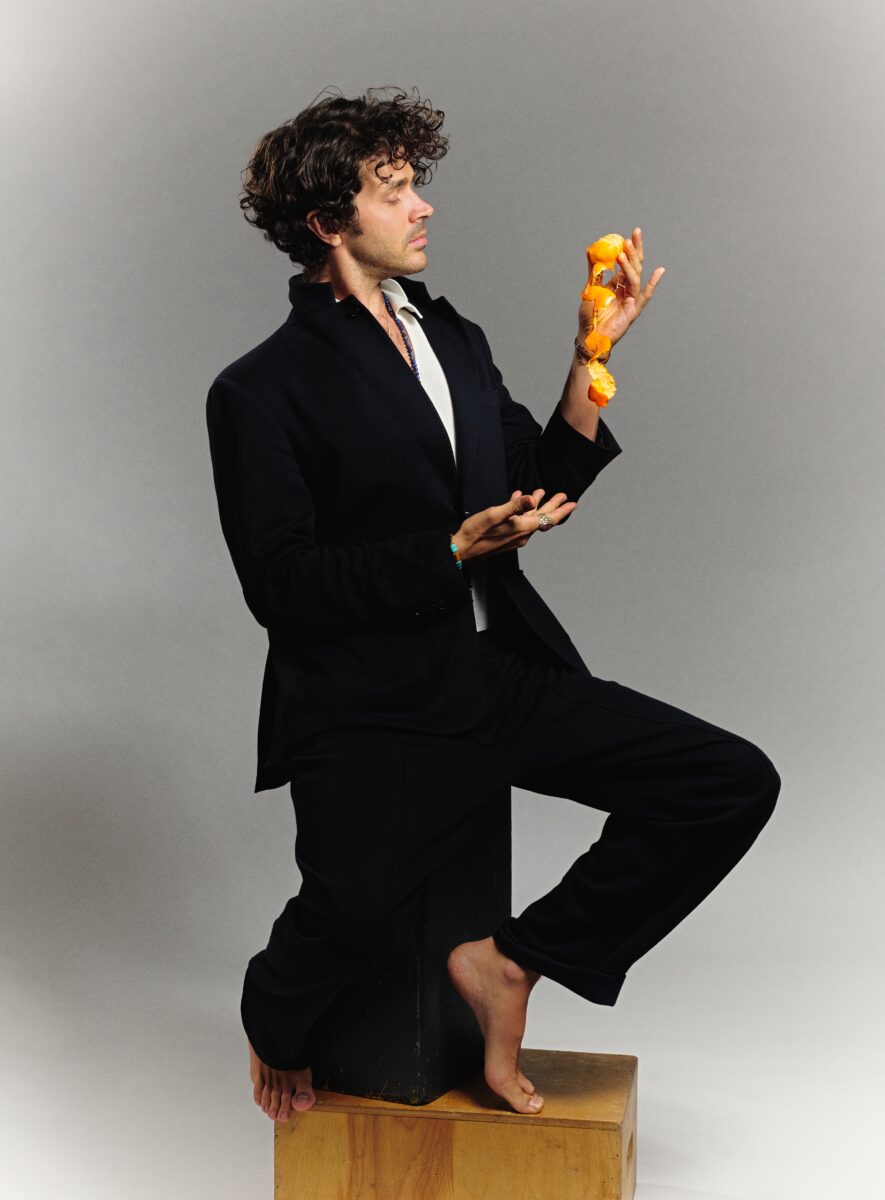
I love the dynamic between the family and the sibling relationship. Can you speak a bit about developing that relationship with the different actors that make up the family?
I feel very blessed to be in the Russell family. Carrie, Morgan, and Taissa are exquisite professionals and actors and really incredible people. They’re very kind and very, very funny. I wish that we had a second show capturing the behind the scenes, the jokes and dynamics and quick-wit. I always love getting to do the dinner scenes or drawing room scenes with the Russell family.
It was really incredible to witness Carrie and Morgan helm such a beautiful show with incredible humility and craft and really deep-layered performances over the first and second seasons, and witnessing how they did their thing really created a great foundation for Taisha and I having more to do this year. We really felt like the actors playing our parents set the tone for the depth of performance. It was very inspiring and they’re all really generous actors, very patient and also very playful. The feeling in those scenes is really joyous and really funny and it does feel like when I’m sitting at my own family dinners, where people are bickering with slight jabs and bullying, but there’s really this undercurrent of love and trying to sharpen each other and trying to steer the ship together.
There’s really a lot of blending in the characters to the actors and I really get a lot from Carrie and Morgan as mentors and actors that I look up to and I’m really inspired by. And definitely the same goes for Taissa, as well. I mean, I was truly blown away. One, acting with Taissa this year, I was like, oh, this is incredible, we’re getting to engage in such beautiful, subtle scenes and complex scenes about what both of them are experiencing at this time that was just so beautifully written. But watching the show as an audience member, witnessing what Taissa is doing as Gladys… I was so blown away. I was heart-wrenched as a viewer and it just feels an honor to be, you know, really enjoying the show and then my face pops up and I’m like, ‘oh yeah, I’m in this, I forgot.’
Was there any scene or plot line that was particularly challenging this season?
I think navigating the relationship between Larry and Marion was a very interesting one. On some levels, it’s a romance that we know and love of friends who are neighbours coming to fall in love and fight against the pressures of society or their families to figure out how to be together. But on another level, there’s something very specific to their engagement — how it’s triggering their own fears from past relationships, the attachments they have to what they want for their futures, the purity of Larry’s heart versus his slight naivety and self-centred behaviours, and his relationship to his family and seeing how his parents treated his sister and what that means for him and what his choices are going to be. It’s a very beautiful, complex relationship this year and trying to figure out a way to do that relationship justice was a great challenge.
You so beautifully bring the character into adulthood in this season, through his romantic relationship, his business endeavours, and his role in his family. It’s really wonderful to watch.
Thank you so much. I really appreciate that. I think, you know, I got this job in October 2019. So a lot has happened in that time. And I’d be lying if I was to say that I wasn’t growing up alongside this character. It’s all felt quite divine, even the extended period between seasons, for instance, giving the space for me to grow as a person to then come back and engage with this wonderful character in a deeper way. And I think that it’s a testament to the writing that we’re witnessing Larry grow up. I love the ways that he’s naive in the previous years, and even this season, you know, he doesn’t really know what he doesn’t know. And we’re kind of watching him figure that out.
If you could give him any advice, what would you say?
I think most young men, myself included, need a depth into the exploration of listening, especially to the women that he loves or that love him. There’s space to listen to your parents even if you disagree with them and there’s space to listen to this partner who you love. I think that would be my advice — patience and communication. Personally, that’s what I’m trying to learn in my own life.
I’m super grateful that people are enjoying the show. The show doesn’t breathe until the audience engages, and the community engagement on this is what makes it really special. It’s really fun to see how people are relating to what we shot last year and how they’re consuming it… what they find funny and what they find moving or what they’re gossiping about or expecting to happen. It feels really wonderful and special as a cultural engagement. That’s the thing I love: being in something that’s creating a community.
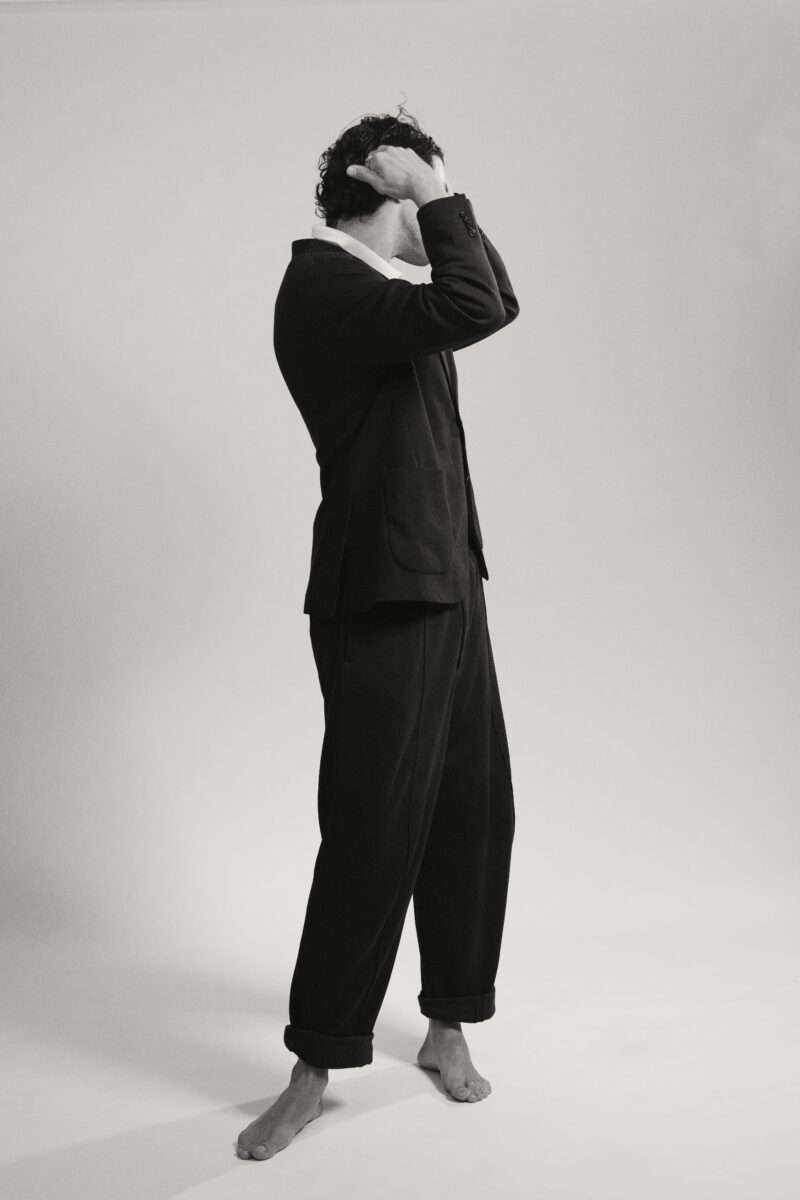
Words – Sophie Wang
Photography – Jamie Ellington


